Balsampear (Momordica charantia)
Formerly Cucumis argyi, Sicyos fauriei, Momordica indica
Balsampear needs medium, even moisture and well-drained soil to stay healthy. It grows fast outdoors in full sun. Mature vines reach 12-20 ft (3.7-6.1 m) tall. Flowers open gold to yellow. It thrives outdoors in USDA zones 9a to 11b. The plant dies back at the first frost. Indoor light needs and toxicity to cats and dogs are not documented for this plant.
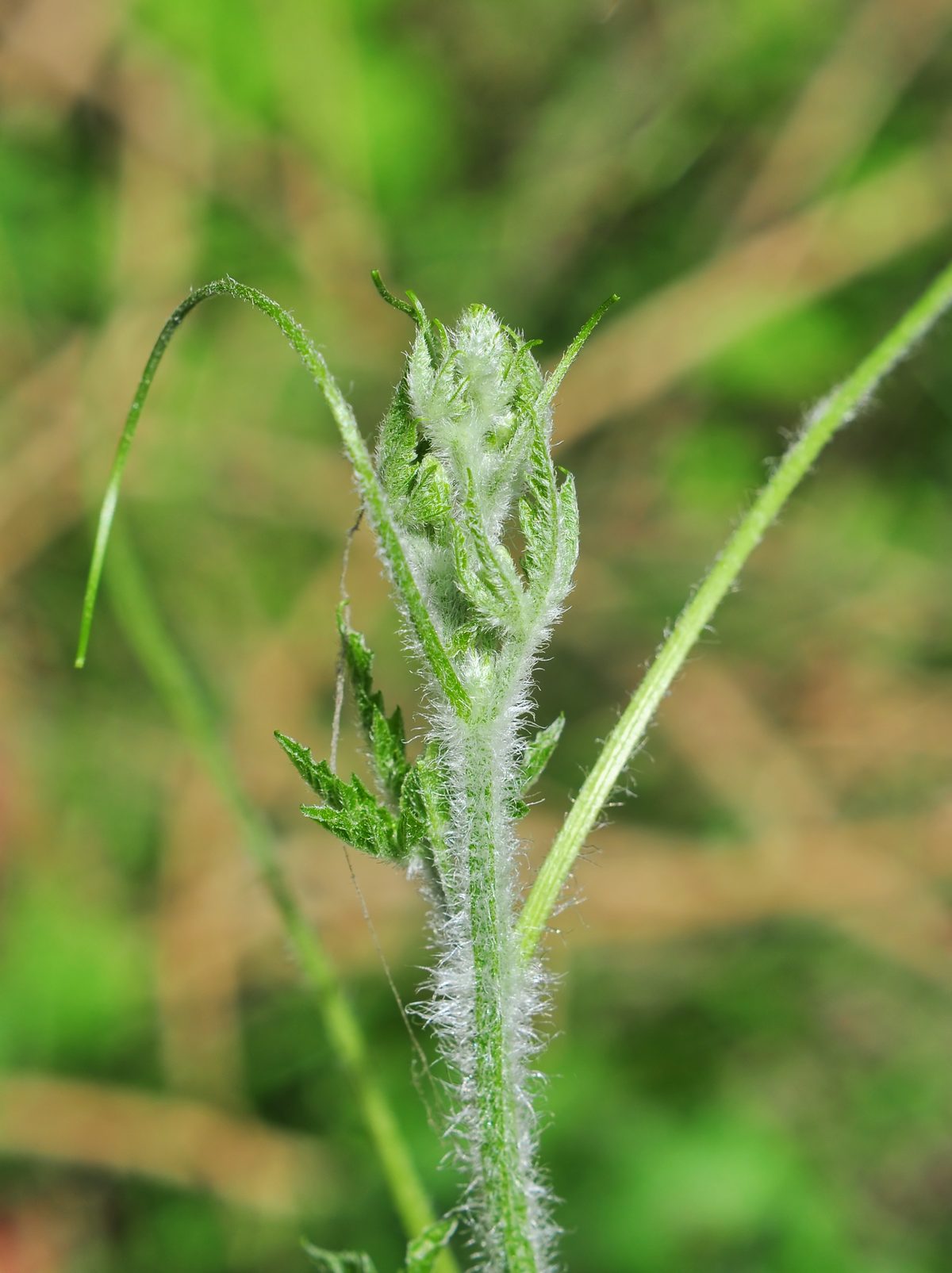
Photo: Joydeep, CC BY-SA 3.0 via Wikimedia Commons

Quick facts
| Water: | Medium11 source |
|---|---|
| Soil: | Well drained and moist11 source |
| Minimum temperature: | 32 °F (0 °C)11 source |
| Size: | 12–20 ft (3.66–6.1 m) × 3–6 ft (0.91–1.83 m)13 |
| Growth rate: | Rapid11 source |
| Bloom: | Yellow11 source |
| Cats: | Not documented by major sources |
| Dogs: | Not documented by major sources |
| Native range: | ANG, ASS, BAN, BEN, BKN, BOR, BUR, CAF, CHA, CMN, CON, CVI, EHM, ETH, FIJ, GAB, GAM, GGI, GHA, GNB, GUI, IND, IVO, JAW, KEN, LAO, LBR, LSI, MLI, MLW, MLY, MOL, MOZ, MYA, NAM, NAT, NEP, NGA, NGR, NTA, NWG, PAK, PHI, QLD, RWA, SCI, SEN, SIE, SOL, SRL, SUD, SUL, SUM, TAN, THA, TOG, TON, TVL, UGA, VAN, VIE, WAU, WHM, XMS, ZAI, ZAM, ZIM4 |
| Family: | Cucurbitaceae |
How often to water a Balsampear
Keep the soil evenly moist for balsampear at all times. It also needs soil with good drainage, not standing water. This vine dies back completely at the first frost of fall, ending its growing season for the year. It is also a fast grower. Mature plants can reach 12-20 ft (3.7-6.1 m) tall and 3-6 ft (0.9-1.8 m) wide. Outdoors, it grows in USDA zones 9a to 11b. Balsampear is native to tropical regions across Africa, Asia, Australia, and the Pacific. It has been introduced, rather than native, to Hawaii, Puerto Rico, and the continental United States.
- Water: Medium1
Best soil for a Balsampear
Balsampear needs soil that stays moist and drains well at the same time. No cited source gives a preferred soil pH for this plant. The water level it needs is medium, not a wet or dry extreme. This fast-growing vine can reach 12-20 ft (3.7-6.1 m) tall and 3-6 ft (0.9-1.8 m) wide. It grows outdoors in USDA zones 9a to 11b. Growers usually start it from seed rather than other methods. Its flowers open gold to yellow. Downy mildew, powdery mildew, Fusarium wilt, and target leaf spot are its most common diseases.
- Soil drainage: Well drained and moist1
Temperature and humidity
Balsampear dies back at the first frost of fall. That means the vine cannot survive freezing weather outdoors. No cited source gives a humidity preference for this vine. Outdoors, it grows reliably in USDA zones 9a to 11b. It is native to tropical regions across Africa, Asia, Australia, and the Pacific. It has been introduced, rather than native, to Hawaii, Puerto Rico, and the continental United States. It is also a fast grower during its warm growing season. Its flowers open gold to yellow. Root-knot nematodes are its main pest, causing galls on the roots.
- Minimum temperature: 32 °F (0 °C)1
How to propagate a Balsampear
Growers start new balsampear plants from seed. No cited source lists cuttings, division, or other propagation methods for this vine. It grows quickly and can reach 12-20 ft (3.7-6.1 m) tall at maturity. Established plants need soil that stays moist and drains well. They also need a medium, even level of water. Outdoors, balsampear grows in USDA zones 9a to 11b. Its most common diseases include downy mildew, powdery mildew, Fusarium wilt, and target leaf spot.
- Propagation: Seed1
Common problems
Balsampear's most common diseases include downy mildew, powdery mildew, Fusarium wilt, and target leaf spot. Root-knot nematodes are its main pest problem, causing galls or swellings on the roots. The plant does best in soil with good drainage and medium moisture. It also grows fast outdoors in USDA zones 9a to 11b. Mature vines can spread 3-6 ft (0.9-1.8 m) wide. Flowers open gold to yellow.
| Problem | Kind |
|---|---|
| Root knot nematode | Pest |
| Downy mildew | Disease |
| Powdery mildew | Disease |
| Fusarium wilt | Disease |
| Target leaf spot | Disease |
Is Balsampear toxic to cats and dogs?
Recommended supplies
- Soil: a free-draining mix, and a pot with a drainage hole.
Questions and answers
- How much water does balsampear need?
- Balsampear needs a medium level of water, not heavy or light watering. The soil should stay moist but also drain well. This vine also grows quickly when conditions suit it. It is native to tropical Africa, Asia, Australia, and the Pacific.
- How do you grow balsampear from seed?
- Seed is the only propagation method recorded for balsampear. No cited source lists cuttings or division as options. The plant grows fast once started and can reach 12-20 ft (3.7-6.1 m) tall. Established vines also need soil that stays moist and drains well.
- Where is balsampear native to?
- Balsampear is native to tropical regions across Africa, Asia, Australia, and the Pacific. It has been introduced, rather than native, to Hawaii, Puerto Rico, and the continental United States. It thrives in USDA zones 9a to 11b outdoors.
Sources
- NC State Extension Gardener Plant Toolbox. https://plants.ces.ncsu.edu/plants/momordica-charantia/. Accessed 24 September 2026.
- UF/IFAS Extension (EDIS). https://ask.ifas.ufl.edu/publication/PP300. Accessed 13 October 2026.
- University of Florida IFAS Extension (EDIS). https://ask.ifas.ufl.edu/publication/HS1271. Accessed 13 October 2026.
- Royal Botanic Gardens, Kew (World Checklist of Vascular Plants). https://sftp.kew.org/pub/data-repositories/WCVP/wcvp.zip. Accessed 4 June 2026.
How this page was made
- Written with AI assistance from the sources listed on this page. AI is never the source of a fact.