Florist's Daisy (Chrysanthemum × morifolium)
Formerly Pyrethrum × sinense, Tanacetum × sinense, Anthemis × stipulacea
Garden chrysanthemums need full sun outdoors, with at least six hours of direct light a day. This plant is toxic to both cats and dogs, so keep it out of reach of pets. It is a rapid grower that forms mounds 1 to 3 feet (0.3 to 0.91 m) tall. As a heavy feeder, it does best with a weekly dose of soluble fertilizer.
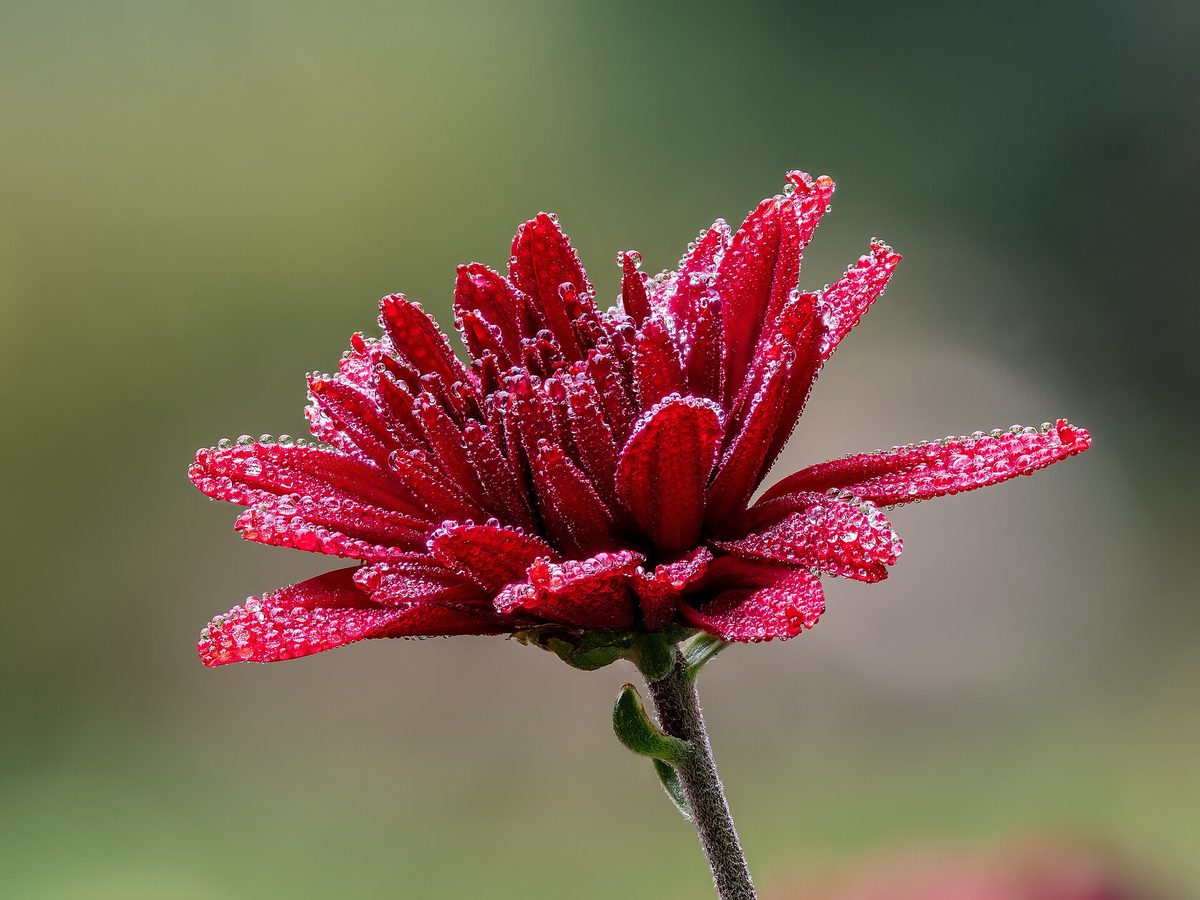
Photo: Ermell, CC BY-SA 4.0 via Wikimedia Commons

Quick facts
| Light: | Full sun12 |
|---|---|
| Water: | Medium78Not documented by major sources |
| Soil: | Well drained; pH 6–811 source |
| Hardiness: | Zones 5a–9b11 source |
| Size: | 1–3 ft (0.3–0.91 m) × 1–2 ft (0.3–0.61 m)11 source |
| Growth rate: | Rapid11 source |
| Bloom: | Aug–Nov, White, yellow and purple93Not documented by major sources |
| Cats: | Toxic to cats (1 source) 6 |
| Dogs: | Toxic to dogs (1 source) 6 |
| Family: | Asteraceae |
How much light does a Florist's Daisy need?
Outdoors, give chrysanthemums full sun, meaning six or more hours of direct sunlight each day. In warmer regions, afternoon shade protects the plant from the hottest part of the day. Mums also do best in fertile, well-drained soil placed in that same sunny spot outdoors. A spot with less than six hours of direct sun each day falls short of what this plant is listed as needing.
Best soil for a Florist's Daisy
Well-drained soil is what this chrysanthemum needs most outdoors, rather than ground that stays wet. In warmer areas, choose a site that gives it some shade from the hottest afternoon sun. The soil itself should fall in a neutral range, with a pH between 6 and 8. This chrysanthemum also grows best in fertile ground, not just soil that drains well. A soil pH anywhere from 6.0 up to 8.0 counts as being within that recommended neutral range. Together, good drainage and a neutral pH describe the soil conditions listed for this plant.
Hardiness and temperature
USDA zones 5a to 9b mark the outdoor hardiness range for this chrysanthemum, from the colder end of that scale to the milder end. This hardiness range is the one listed for growing it in an outdoor garden. Zones in the middle of that span, such as 6 and 7, sit between those cold and mild extremes. That full span, from zone 5a up through zone 9b, is the hardiness range documented for this chrysanthemum.
- Hardiness: Zones 5a–9b1
Fertilizing a Florist's Daisy
Chrysanthemums are classed as heavy feeders, meaning they draw on a large amount of nutrients from the soil while they are growing. A weekly application of soluble fertilizer is considered good practice for keeping up with that demand in this plant. This heavy feeding need applies to chrysanthemums grown outdoors in garden beds.
- Fertilizer: Heavy feeder3
Pruning a Florist's Daisy
Deadhead this chrysanthemum by removing faded blooms regularly, since doing so helps the plant keep flowering longer. Light shaping and removing dead growth are the other pruning tasks suited to this plant. Remove only growth that is fully dead when you cut this plant back outdoors. These three tasks, deadheading, light shaping and removing dead growth, cover the pruning this plant needs.
- Pruning: Light shaping, Deadheading and Remove dead growth only4
How to plant a Florist's Daisy
Space young chrysanthemums 1 to 2 feet (0.3 to 0.61 m) apart when you plant them outdoors, since mature mounds spread that wide. This chrysanthemum grows well outdoors in USDA zones 5a through 9b. Plant it in full sun, in well-drained soil, to match what this species needs. Expect mature plants to reach 1 to 3 feet (0.3 to 0.91 m) tall in that same spot. This spacing and sizing information applies to plants growing within the hardiness zones already listed. Check that your planting bed sits within a pH of 6 to 8 before you set plants out.
- Hardiness: Zones 5a–9b1
Winter care
In winter, this chrysanthemum is hardy outdoors within USDA zones 5a to 9b. That hardiness range spans from the colder zone 5a up through the milder zone 9b, covering a wide stretch of climates. As part of winter care, cut back any growth on the plant that has fully died. Gardens at the colder zone 5a end of that range see harsher winters than gardens at the milder zone 9b end.
- Hardiness: Zones 5a–9b1
How to propagate a Florist's Daisy
You can start new chrysanthemums from seed, by division, or from stem cuttings. Sow seed at least two months before the first frost, or start seeds indoors over winter. Divide established plants in spring once new growth appears, repeating this every three to five years. Stem cutting is the third method listed for propagating this plant. Each of these three methods, seed, division and stem cuttings, is a documented way to start new plants. Spring division is repeated only every three to five years, not annually.
Common problems
Aphids, thrips, spider mites and lace bugs are the insect pests occasionally reported on this plant. Bacterial blight, powdery mildew, stem rot, rust, root rot, verticillium wilt and leaf spot are the occasional disease problems listed for it. Both problems are described as occasional, not constant, issues for this plant. Together, the pest list and the disease list cover the problems documented for this plant outdoors.
| Problem | Kind |
|---|---|
| Aphids | Pest |
| Thrips | Pest |
| Spider mites | Pest |
| Lace bugs | Pest |
| Bacterial blight | Disease |
| Powdery mildew | Disease |
| Stem rot | Disease |
| Rust | Disease |
| Root rot | Disease |
| Verticillium wilt | Disease |
| Leaf spot | Disease |
Is Florist's Daisy toxic to cats and dogs?
The ASPCA lists this chrysanthemum as toxic to both cats and dogs. Because of that listing, it is worth keeping this plant well out of reach of any cat or dog sharing your home or garden. Toxic ratings are recorded separately for cats and for dogs, and both come back the same for this chrysanthemum. That means the toxic rating is not limited to just one of the two pets. Neither the cat listing nor the dog listing includes a stated severity level.
Pet-safe alternatives
Recommended supplies
- Soil: a free-draining mix, and a pot with a drainage hole.
Questions and answers
- Is chrysanthemum toxic to pets?
- Yes, this chrysanthemum is toxic to both cats and dogs, according to the ASPCA, so it is best kept well out of reach of any pet in your home or garden.
- How much sun does chrysanthemum need outdoors?
- This plant needs full sun outdoors, meaning six or more hours of direct sunlight a day, along with well-drained, fertile soil in its growing bed.
- How do you propagate chrysanthemums?
- You can grow new plants from seed sown at least two months before the first frost, by dividing established clumps in spring, or by taking stem cuttings.
Sources
- NC State Extension Gardener Plant Toolbox. https://plants.ces.ncsu.edu/plants/chrysanthemum-x-morifolium/. Accessed 15 November 2026.
- Clemson Cooperative Extension HGIC. https://hgic.clemson.edu/factsheet/chrysanthemum-diseases-insect-pests/. Accessed 15 November 2026.
- Clemson Cooperative Extension Home & Garden Information Center. https://hgic.clemson.edu/factsheet/chrysanthemums-how-to-grow-garden-mums-in-south-carolina/. Accessed 16 November 2026.
- Penn State Extension. https://extension.psu.edu/chrysanthemum-care. Accessed 15 November 2026.
- Iowa State University Extension and Outreach (Yard and Garden). https://yardandgarden.extension.iastate.edu/faq/how-can-i-propagate-garden-mums. Accessed 16 November 2026.
- ASPCA Animal Poison Control Center. https://www.aspca.org/pet-care/aspca-poison-control/toxic-and-non-toxic-plants/chrysanthemum. Accessed 15 November 2026.
- UC Statewide Integrated Pest Management Program. https://ipm.ucanr.edu/home-and-landscape/chrysanthemum-mum/. Accessed 16 November 2026.
- Utah State University Extension. https://extension.usu.edu/yardandgarden/research/growing-chrysanthemums-in-the-home-garden. Accessed 16 November 2026.
- Chicago Botanic Garden. https://www.chicagobotanic.org/plant-evaluation/chrysanthemums. Accessed 16 November 2026.
How this page was made
- Written with AI assistance from the sources listed on this page. AI is never the source of a fact.