European Bird Cherry (Prunus padus)
Formerly Padus avium, Cerasus padus, Padus asiatica
To keep European bird cherry (Prunus padus) alive, give it full sun and medium water. It is a tree that reaches 30–40 ft (9.14–12.19 m) tall and is hardy in zones 3a–6b. The ASPCA lists it as toxic to cats and toxic to dogs.
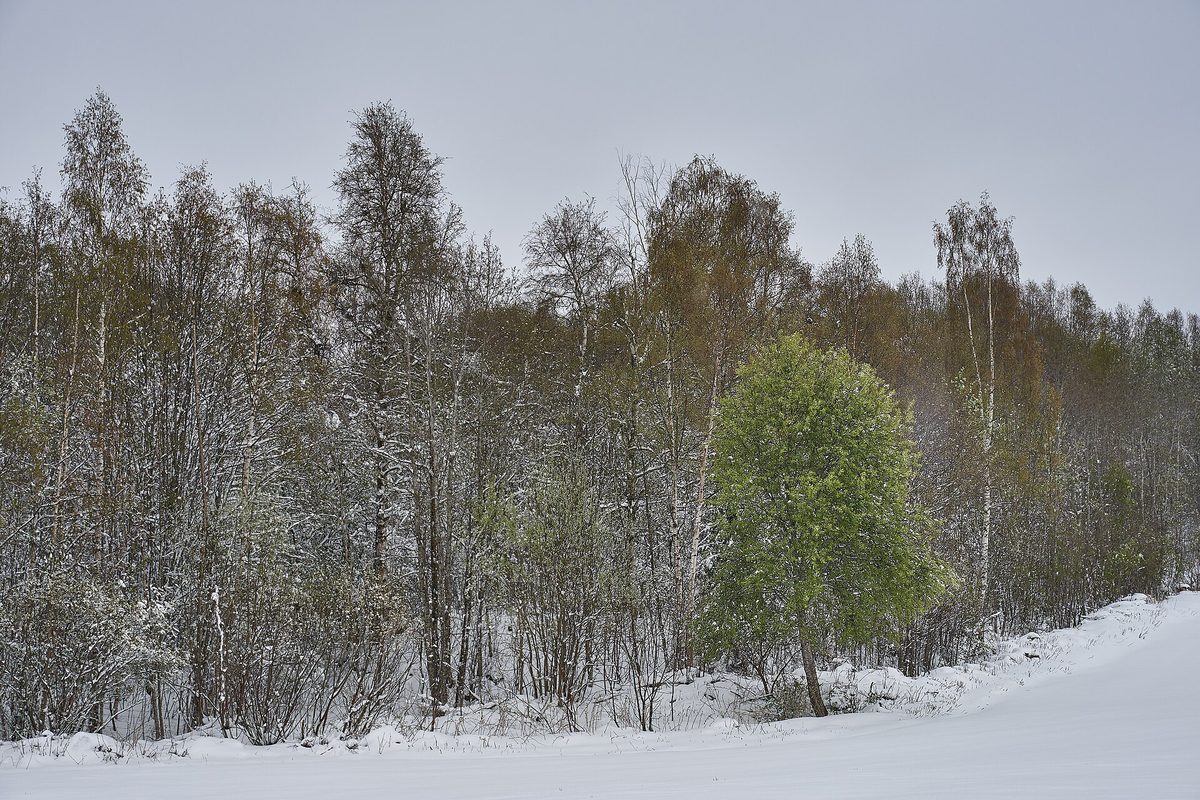
Photo: Øyvind Holmstad, CC BY-SA 4.0 via Wikimedia Commons

Quick facts
| Light: | Full sun11 source |
|---|---|
| Water: | Medium21 source |
| Soil: | Well drained31 source |
| Hardiness: | Zones 3a–6b41 source |
| Size: | 30–40 ft (9.14–12.19 m)81 source |
| Growth rate: | Moderate11 source |
| Bloom: | May–Jun, White4811 source |
| Cats: | Toxic to cats (1 source) 6 |
| Dogs: | Toxic to dogs 67 |
| Native range: | ALB, ALT, AMU, AUT, BGM, BLR, BLT, BRY, BUL, CHI, CHM, CHN, CHQ, CHS, CHX, CZE, DEN, FIN, FRA, GER, GRB, HUN, IRE, IRK, ITA, JAP, KAM, KAZ, KGZ, KHA, KOR, KRA, KRY, MAG, MON, MOR, NCS, NET, NOR, POL, POR, PRM, ROM, RUC, RUE, RUN, RUS, RUW, SAK, SPA, SWE, SWI, TCS, TUR, TVA, UKR, WSB, YAK, YUG9 |
| Family: | Rosaceae |
How much light does a European Bird Cherry need?
European bird cherry grows in full sun. Utah State University Extension describes the tree as shade intolerant. Full sun is the only outdoor light level recorded for this species, and it is the preferred one. That makes direct, unshaded light the condition to look for when you check a planting spot. Plan your site around the mature height, which is listed at 30–40 ft (9.14–12.19 m). The tree grows at a moderate rate.
- Light: Full sun1
How often to water a European Bird Cherry
European bird cherry needs medium water. Utah State University Extension lists its drought tolerance as medium. The recorded water need has the same minimum and maximum, both medium. University of Illinois Extension says the tree needs well-drained soil. Well-drained soil is the only drainage class recorded for this species.
- Water: Medium2
Best soil for a European Bird Cherry
University of Illinois Extension states that European bird cherry needs well-drained soil. Well-drained is the only drainage class recorded for this species. Its water need is listed as medium, which is a separate point from drainage. Utah State University Extension lists its drought tolerance as medium. Pick a site where the drainage matches this need before you plant.
- Soil drainage: Well drained3
Hardiness and temperature
European bird cherry is rated for USDA zones 3a–6b. Chicago Botanic Garden gives the range as zones 3 to 6. The coldest zone in that range is 3a and the warmest is 6b. Zones outside 3a–6b fall outside the recorded range for this tree. Check your own USDA zone against this range before you plant.
- Hardiness: Zones 3a–6b4
How to plant a European Bird Cherry
Plant European bird cherry only where your USDA zone falls between 3a and 6b. Choose a spot with full sun, because the tree is described as shade intolerant. Look for ground that is well-drained, as University of Illinois Extension says the tree needs. Leave room for a mature height of 30–40 ft (9.14–12.19 m). The tree grows at a moderate rate, and medium water is the recorded need. In the United States it is listed as introduced in both Alaska and the lower 48 states.
- Hardiness: Zones 3a–6b4
Winter care
Winter hardiness for this tree is recorded as USDA zones 3a–6b. Zone 3a is the coldest end of that range. Chicago Botanic Garden lists zones 3 to 6. A garden in zone 7 or warmer sits outside the recorded range. Check your zone against this range before you count on the tree through winter.
- Hardiness: Zones 3a–6b4
Common problems
EPPO Global Database lists Aromia bungii and San Jose scale (Comstockaspis perniciosa) among the pests recorded for this tree. Its recorded diseases are black knot, silver leaf and Pucciniastrum areolatum. Together, that makes two pests and three diseases on the record. Pests and diseases are kept in separate lists for this species.
| Problem | Kind |
|---|---|
| Aromia bungii | Pest |
| San jose scale | Pest |
| Black knot | Disease |
| Silver leaf | Disease |
| Pucciniastrum areolatum | Disease |
Is European Bird Cherry toxic to cats and dogs?
The ASPCA lists European bird cherry as toxic to cats. The ASPCA also lists it as toxic to dogs. The ASPCA Animal Poison Control Center records the same position for cats and for dogs, and that position is toxic. Pet Poison Helpline's entry for dogs gives the severity as mild. The record for cats states toxic and gives no severity. Neither cats nor dogs have a non-toxic entry for this plant.
Pet-safe alternatives
Recommended supplies
- Soil: a free-draining mix, and a pot with a drainage hole.
Questions and answers
- Is European bird cherry toxic to cats and dogs?
- The ASPCA lists it as toxic to cats and toxic to dogs. Pet Poison Helpline gives the severity for dogs as mild. Neither animal has a non-toxic entry for this plant.
- How much sun does European bird cherry need?
- It grows in full sun, and Utah State University Extension describes it as shade intolerant. Full sun is the only outdoor light level recorded for it. Its water need is medium.
- What color are the flowers, and when do they bloom?
- The flowers are white. Chicago Botanic Garden lists the bloom time as May to June. The tree grows at a moderate rate and reaches 30–40 ft (9.14–12.19 m) tall.
Sources
- Utah State University Extension. https://extension.usu.edu/treebrowser/catalog/cherry-european-bird-may-day. Accessed 14 October 2026.
- Utah State University Extension. https://extension.usu.edu/cwel/research/efficient-irrigation-of-trees-and-shrubs. Accessed 14 October 2026.
- University of Illinois Extension. https://selectors.extension.illinois.edu/node/4113. Accessed 1 November 2026.
- Chicago Botanic Garden. https://www.chicagobotanic.org/plant-information/plant-finder/prunus-padus-drietree-bird-cherry. Accessed 21 October 2026.
- EPPO Global Database. https://gd.eppo.int/taxon/PRNPA/pests. Accessed 14 October 2026.
- ASPCA Animal Poison Control Center. https://www.aspca.org/pet-care/aspca-poison-control/toxic-and-non-toxic-plants/cherry. Accessed 14 October 2026.
- Pet Poison Helpline. https://www.petpoisonhelpline.com/poison/cherry/. Accessed 14 October 2026.
- University of Illinois Extension. https://web.extension.illinois.edu/hortanswers/plantdetail.cfm?PlantID=253&PlantTypeID=7. Accessed 28 October 2026.
- Royal Botanic Gardens, Kew (World Checklist of Vascular Plants). https://sftp.kew.org/pub/data-repositories/WCVP/wcvp.zip. Accessed 4 June 2026.
How this page was made
- Written with AI assistance from the sources listed on this page. AI is never the source of a fact.