Ponderosa Pine (Pinus ponderosa)
Formerly Pinus parryana, Pinus craigiana, Pinus beardsleyi
Keep ponderosa pine in full sun, because it does not tolerate shade. Its water range runs from dry to medium. Well-drained soil is the drainage condition it needs. It is hardy in zones 3a to 7b. The ASPCA lists it as non-toxic to both cats and dogs.
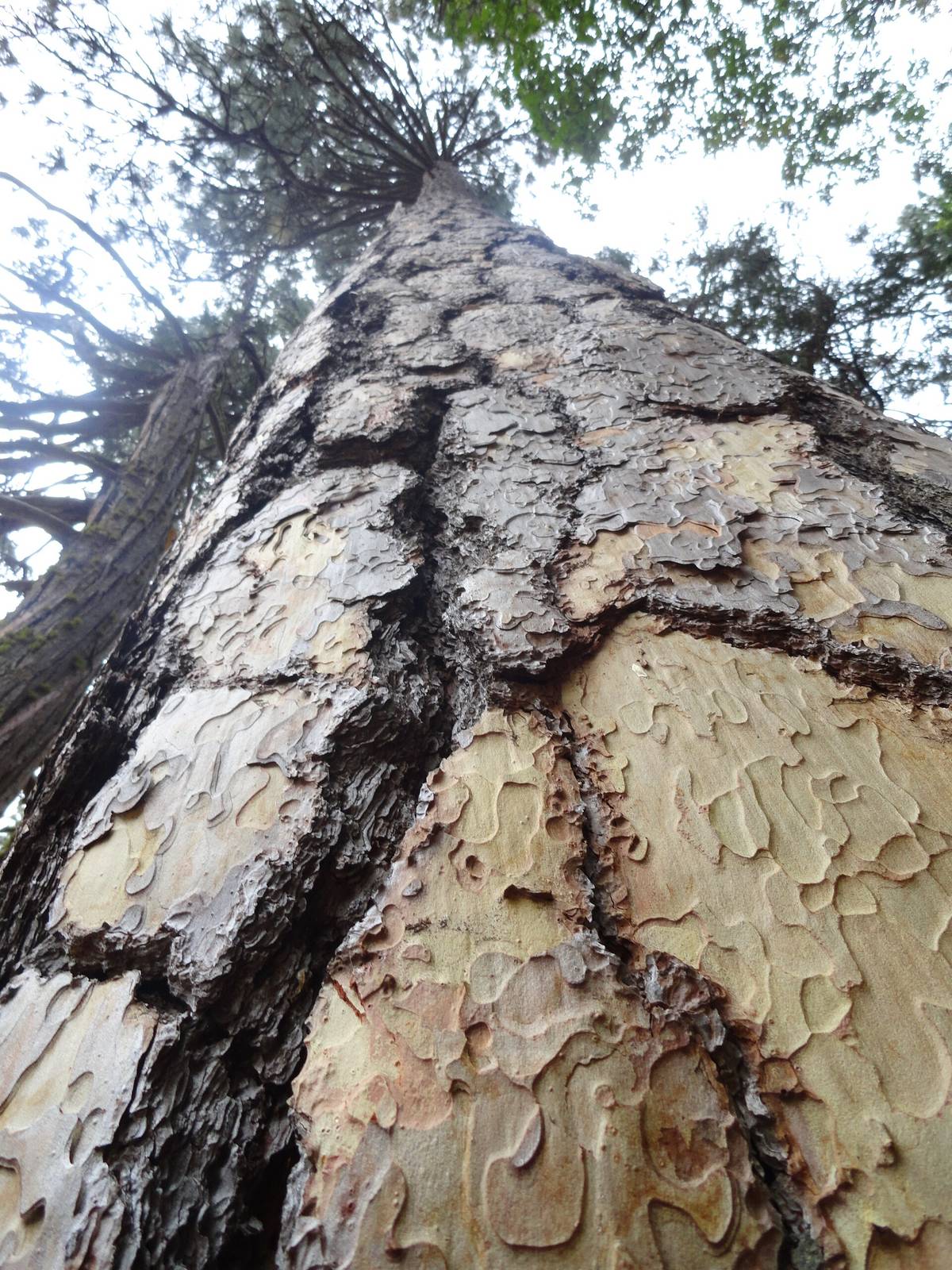
Photo: l0da_ralta, CC BY 2.0 via Wikimedia Commons

Quick facts
| Light: | Full sun11 source |
|---|---|
| Water: | Dry to medium11 source |
| Soil: | Well drained; pH 5–812 |
| Hardiness: | Zones 3a–7b11 source |
| Size: | 60–125 ft (18.29–38.1 m) × 25–30 ft (7.62–9.14 m)12 |
| Growth rate: | Moderate41 source |
| Bloom: | Apr, Red and yellow511 source |
| Cats: | Non-toxic to cats 31 |
| Dogs: | Non-toxic to dogs 31 |
| Native range: | BRC, CAL, IDA, MNT, NEV, ORE, WAS6 |
| Family: | Pinaceae |
How much light does a Ponderosa Pine need?
Full sun is the outdoor light this tree prefers. Full sun is also the only light level recorded for ponderosa pine. The source states that this tree does not tolerate shade. Choose a planting site that receives full sun, not a shaded corner. In short, the light requirement for Pinus ponderosa is full sun, and shade is not tolerated.
- Light: Full sun1
How often to water a Ponderosa Pine
Water needs for this tree run from dry to medium. The preferred soil is described as moist, well-drained and deep. This tree does not tolerate flooding or poorly drained soils. The listed range ends at medium, with dry as the lower limit. Full sun and moist, well-drained, deep soil are the conditions the source names as its preference.
- Water: Dry to medium1
Best soil for a Ponderosa Pine
Well-drained soil is the drainage condition recorded for this tree. It does not tolerate poorly drained soils or flooding. The preferred soil is moist, well-drained and deep. This tree tolerates acid to alkaline soil, from pH 5.0 to 8.0. Soil that is deep as well as well-drained matches the description in the sources. In short, the soil you need is well-drained, with a pH anywhere from 5 to 8.
Hardiness and temperature
Outdoors, this tree is rated for hardiness zones 3a to 7b. Zone 3a is the coldest zone in that range, and zone 7b is the warmest. The range spans ten half-zone steps: 3a, 3b, 4a, 4b, 5a, 5b, 6a, 6b, 7a and 7b. Find your own USDA zone and see whether it falls between 3a and 7b.
- Hardiness: Zones 3a–7b1
How to plant a Ponderosa Pine
Plant it in an area within hardiness zones 3a to 7b. Choose a site with full sun and well-drained soil. Avoid flooded or poorly drained spots, which this tree does not tolerate. Allow for a mature spread of 25–30 ft (7.62–9.14 m). It can reach a height of 60 to 125 ft (18.29–38.1 m). Its native status is recorded as native in US-L48.
- Hardiness: Zones 3a–7b1
Winter care
The recorded hardiness range for this tree is zones 3a to 7b. This pine is an evergreen. The source notes that this evergreen is long-lived and may survive up to 600 years. If your zone is colder than 3a or warmer than 7b, the recorded range does not cover your site.
- Hardiness: Zones 3a–7b1
How to propagate a Ponderosa Pine
Seed is the propagation method on record for ponderosa pine. The source gives seed as the recommended propagation strategy. Pinus ponderosa is a tree, and seed is the method listed for it. If you want more trees, seed is the route the source recommends. Seed is the only propagation method listed for this species.
- Propagation: Seed1
Common problems
Recorded pests include bark beetles, adelgids, aphids, pine sawflies and pine shoot moths. Sequoia pitch moth is also on the list. Diseases on record are root rot, blister rust, needle blight, dieback and canker. Source notes describe some susceptibility to root rot, blister rust and needle blight. Dieback, rusts, blights and canker are listed as possible problems.
| Problem | Kind |
|---|---|
| Bark beetles | Pest |
| Adelgids | Pest |
| Aphids | Pest |
| Pine sawflies | Pest |
| Pine shoot moths | Pest |
| Sequoia pitch moth | Pest |
| Root rot | Disease |
| Blister rust | Disease |
| Needle blight | Disease |
| Dieback | Disease |
| Canker | Disease |
Is Ponderosa Pine toxic to cats and dogs?
For cats, the ASPCA Animal Poison Control Center lists ponderosa pine as non-toxic. The NC State Extension Gardener Plant Toolbox also tags it as non-toxic for cats. For dogs, the ASPCA entry also reads non-toxic. The NC State listing tags it as non-toxic for dogs too. That gives the same recorded position for cats and for dogs. Each position is given separately here: cats are non-toxic, and dogs are non-toxic.
Recommended supplies
- Soil: a free-draining mix, and a pot with a drainage hole.
Questions and answers
- Is ponderosa pine toxic to cats and dogs?
- The ASPCA lists ponderosa pine as non-toxic to both cats and dogs. The NC State plant database also tags it as non-toxic for cats and for dogs. Both positions are recorded separately for cats and for dogs.
- How much sun does ponderosa pine need?
- Ponderosa pine needs full sun outdoors. Full sun is the only light level recorded for it. It does not tolerate shade, flooding, or poorly drained soils.
- What hardiness zones suit ponderosa pine?
- Ponderosa pine is recorded for hardiness zones 3a to 7b. That range includes 3a, 3b, 4a, 4b, 5a, 5b, 6a, 6b, 7a and 7b. Check your own zone against it before you plant.
Sources
- NC State Extension Gardener Plant Toolbox. https://plants.ces.ncsu.edu/plants/pinus-ponderosa/. Accessed 21 October 2026.
- Cornell University CALS Woody Plants Database. https://woodyplants.cals.cornell.edu/plant/292. Accessed 21 October 2026.
- ASPCA Animal Poison Control Center. https://www.aspca.org/pet-care/aspca-poison-control/toxic-and-non-toxic-plants/blackjack-pine. Accessed 21 October 2026.
- NC State Extension Gardener Plant Toolbox. https://plants.ces.ncsu.edu/plants/pinus-ponderosa/common-name/rocky-mountain-ponderosa-pine/. Accessed 31 October 2026.
- Lady Bird Johnson Wildflower Center. https://www.wildflower.org/plants/result.php?id_plant=PIPO. Accessed 21 October 2026.
- Royal Botanic Gardens, Kew (World Checklist of Vascular Plants). https://sftp.kew.org/pub/data-repositories/WCVP/wcvp.zip. Accessed 4 June 2026.
How this page was made
- Written with AI assistance from the sources listed on this page. AI is never the source of a fact.