Daffodil (Narcissus pseudonarcissus)
Formerly Ajax pseudonarcissus, Ajax serratus, Ajax lobularis
Daffodil grows best in full sun, but it also tolerates partial shade in the garden. It needs medium to wet soil, with plenty of moisture during and after flowering to support active growth. The plant is toxic to both cats and dogs.
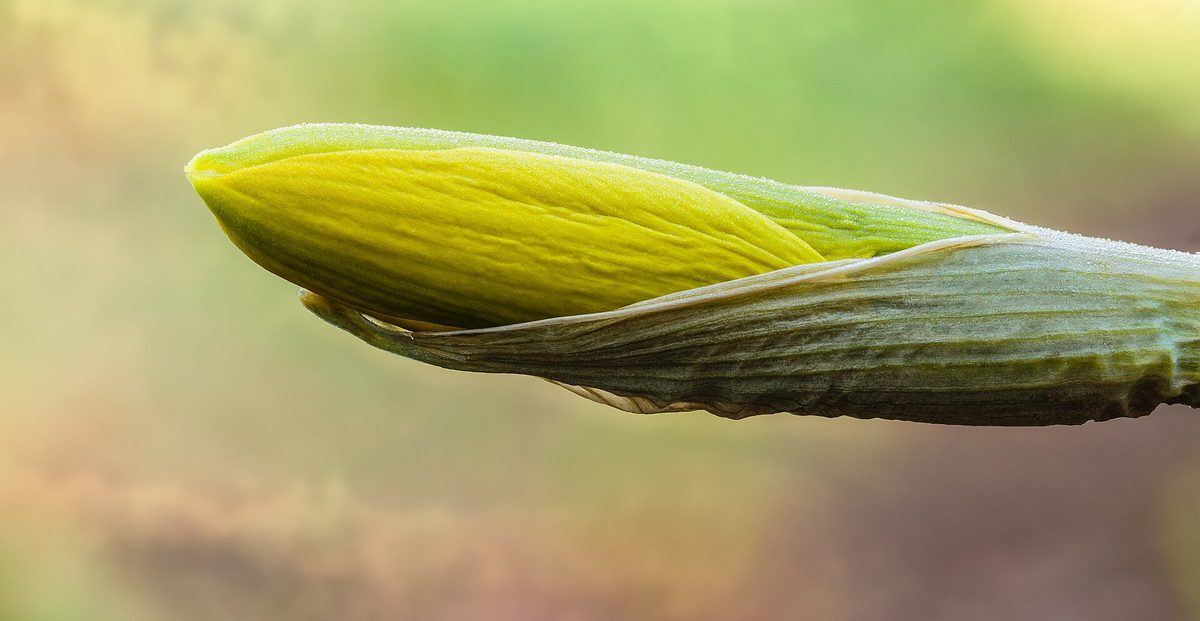
Photo: Dominicus Johannes Bergsma., CC BY-SA 4.0 via Wikimedia Commons

Quick facts
| Light: | Full sun and part shade (full sun preferred)111 source |
|---|---|
| Water: | Medium to wet21 source |
| Soil: | Well drained and moist; pH 6–7134 |
| Hardiness: | Zones 4a–8b151 source |
| Size: | 1–1.5 ft (0.3–0.46 m) × 0.8–1 ft (0.23–0.3 m)11 source |
| Growth rate: | Slow111 source |
| Bloom: | Mar–Apr, Yellow and white611 source |
| Cats: | Toxic to cats 10111 |
| Dogs: | Toxic to dogs 10111 |
| Family: | Amaryllidaceae |
How much light does a Daffodil need?
Daffodil does best in full sun, which means six or more hours of direct sunlight a day. It also grows in partial shade, where direct sun reaches it for only two to six hours of the day. Full sun is the preferred exposure for this plant, though a partly shaded spot still works.
How often to water a Daffodil
Daffodils need medium to wet soil moisture through the growing season. During and after they flower, they need plenty of moisture to grow actively. That need for moisture runs through both the blooming period and the weeks right after it. The soil should stay moist through the season but still drain well, since it is listed as needing both moisture and good drainage.
- Water: Medium to wet2
Best soil for a Daffodil
Daffodil bulbs grow best in soil that drains well. The soil should also stay moist rather than dry out completely. Soil that is both moist and well drained is the condition listed for this plant, rather than one or the other alone. Good drainage is listed as a requirement on its own, separate from the moisture the plant also needs. Aim for a soil pH between 6 and 7 for these bulbs. Both 6 and 7 fall within the range this plant is listed as preferring. Matching both the drainage and the pH described here gives this plant the soil conditions it is listed as needing.
Hardiness and temperature
This plant is hardy in USDA zones 4a through 8b. The coldest zone it tolerates is 4a, and the warmest listed is 8b. It is also listed as hardy in zones 4b, 5a, 5b, 6a, 6b, 7a, 7b, and 8a, which fill out that same range.
Pruning a Daffodil
Remove the faded flowers from your daffodils once they fade. This kind of deadheading stops the plant from putting energy into seed formation. Beyond deadheading, remove only growth that has died back, and leave healthy green leaves alone. That means cutting off leaves or stems once they are fully dead, not while they are still green. These two tasks, deadheading and removing dead growth, are the pruning this plant is documented as needing.
- Pruning: Deadheading and Remove dead growth only3
How to plant a Daffodil
Plant daffodils where winters stay within USDA zones 4a to 8b, the range this plant is hardy in. Space bulbs about 0.8 to 1 ft (0.23-0.3 m) apart, matching the plant's mature spread. Mature plants reach 1 to 1.5 ft (0.3-0.46 m) tall, so leave enough room above them too. This plant is also documented as a slow grower, taking two to five years to reach maturity after planting.
Winter care
Winter survival outdoors is expected within USDA zones 4a through 8b for this plant. That range runs from 4a and 4b up through 8a and 8b, covering several zones in between. Once winter ends, blooms on this plant typically open in March or April. Gardeners in the colder end of that zone range, 4a and 4b, are still within the range this plant is listed as surviving winter in.
How to propagate a Daffodil
Division is the recommended way to propagate daffodils. Large daffodil clumps should be divided and thinned when they become crowded. Doing this every three or four years keeps the bulbs blooming well. This three- to four-year schedule is what keeps the clumps from overcrowding and losing bloom vigor. That same three- to four-year interval applies whether the goal is more plants or simply healthier blooms.
Common problems
Daffodils can have problems with aphids, bulb flies, bulb mites, foliage feeding caterpillars, nematodes, snails, slugs, and thrips. Diseases recorded for this plant include armillaria root rot, bacterial soft rot, botrytis blight, dry rot, fusarium wilt, root stem and crown rots, smoulder, and viruses. Seven separate pests and eight separate diseases are recorded for this plant in total.
| Problem | Kind |
|---|---|
| Aphids | Pest |
| Bulb flies | Pest |
| Bulb mites | Pest |
| Foliage feeding caterpillars | Pest |
| Nematodes | Pest |
| Snails and slugs | Pest |
| Thrips | Pest |
| Armillaria root rot | Disease |
| Bacterial soft rot | Disease |
| Botrytis blight | Disease |
| Dry rot | Disease |
| Fusarium wilt | Disease |
| Root stem crown rot | Disease |
| Smoulder | Disease |
| Viruses | Disease |
Is Daffodil toxic to cats and dogs?
Daffodil is toxic to both cats and dogs. The ASPCA lists this plant as toxic to cats. NC State Extension also names it as a problem plant for cats. The ASPCA lists it as toxic to dogs as well. NC State Extension names it as a problem plant for dogs too. These are listed as two separate entries, one for cats and one for dogs. No severity level is listed for the toxicity to cats or dogs, only that the plant is toxic to both. That is useful to know if pets spend time in the garden where this plant grows.
Pet-safe alternatives
Recommended supplies
- Soil: a free-draining mix, and a pot with a drainage hole.
Questions and answers
- Is daffodil toxic to cats and dogs?
- Yes, cats and dogs are both at risk from this plant, since it is toxic to each. The ASPCA's listing names cats and dogs together, and NC State Extension's separate listings name each pet too. No severity level is given, only that the plant is toxic to both pets.
- How much sun does daffodil need?
- This plant needs at least six hours of direct sun a day for its preferred exposure, full sun. It can also get by with partial shade, meaning direct sun for as little as two hours. Either exposure is listed as workable for this plant outdoors.
- What USDA hardiness zones is daffodil suited to?
- Daffodil's USDA hardiness range runs from zone 4a to zone 8b. That range covers zones 4a, 4b, 5a, 5b, 6a, 6b, 7a, 7b, 8a, and 8b. The coldest zone listed is 4a, and the warmest is 8b.
Sources
- NC State Extension Gardener Plant Toolbox. https://plants.ces.ncsu.edu/plants/narcissus-pseudonarcissus/. Accessed 25 October 2026.
- University of Missouri Extension. https://extension.missouri.edu/publications/g6610. Accessed 27 October 2026.
- Clemson Cooperative Extension HGIC. https://hgic.clemson.edu/factsheet/spring-flowering-bulbs/. Accessed 25 October 2026.
- Penn State Extension. https://extension.psu.edu/plant-bulbs-in-the-fall-for-a-spring-celebration. Accessed 25 October 2026.
- NC State Extension Gardener Plant Toolbox. https://plants.ces.ncsu.edu/plants/narcissus-pseudonarcissus. Accessed 25 October 2026.
- Iowa State University Extension and Outreach (Yard and Garden). https://yardandgarden.extension.iastate.edu/how-to/all-about-daffodils. Accessed 25 October 2026.
- UC Statewide Integrated Pest Management Program. https://ipm.ucanr.edu/home-and-landscape/daffodil/. Accessed 25 October 2026.
- EPPO Global Database. https://gd.eppo.int/taxon/NARPS/pathwayspests. Accessed 25 October 2026.
- Clemson Cooperative Extension Home & Garden Information Center. https://hgic.clemson.edu/factsheet/flowering-bulb-insect-pests/. Accessed 25 October 2026.
- ASPCA Animal Poison Control Center. https://www.aspca.org/pet-care/aspca-poison-control/toxic-and-non-toxic-plants/daffodil. Accessed 25 October 2026.
- Pet Poison Helpline. https://www.petpoisonhelpline.com/poison/daffodil/. Accessed 25 October 2026.
How this page was made
- Written with AI assistance from the sources listed on this page. AI is never the source of a fact.