Warm-season vegetables
Compared side by side
| Plant | Season | Cats | Dogs |
|---|---|---|---|
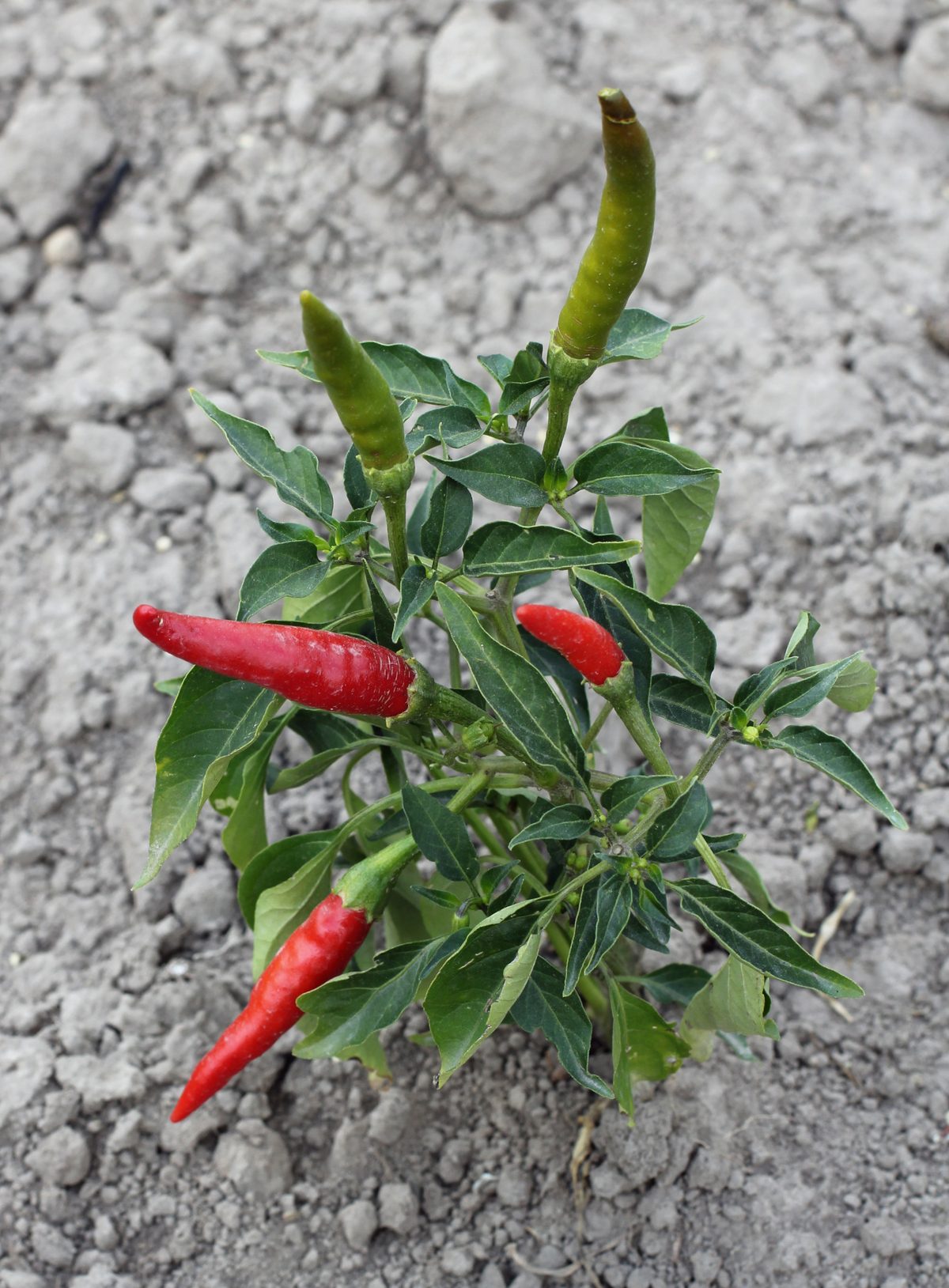
| Cayenne PepperCapsicum annuum | Warm season | Toxic | Toxic |
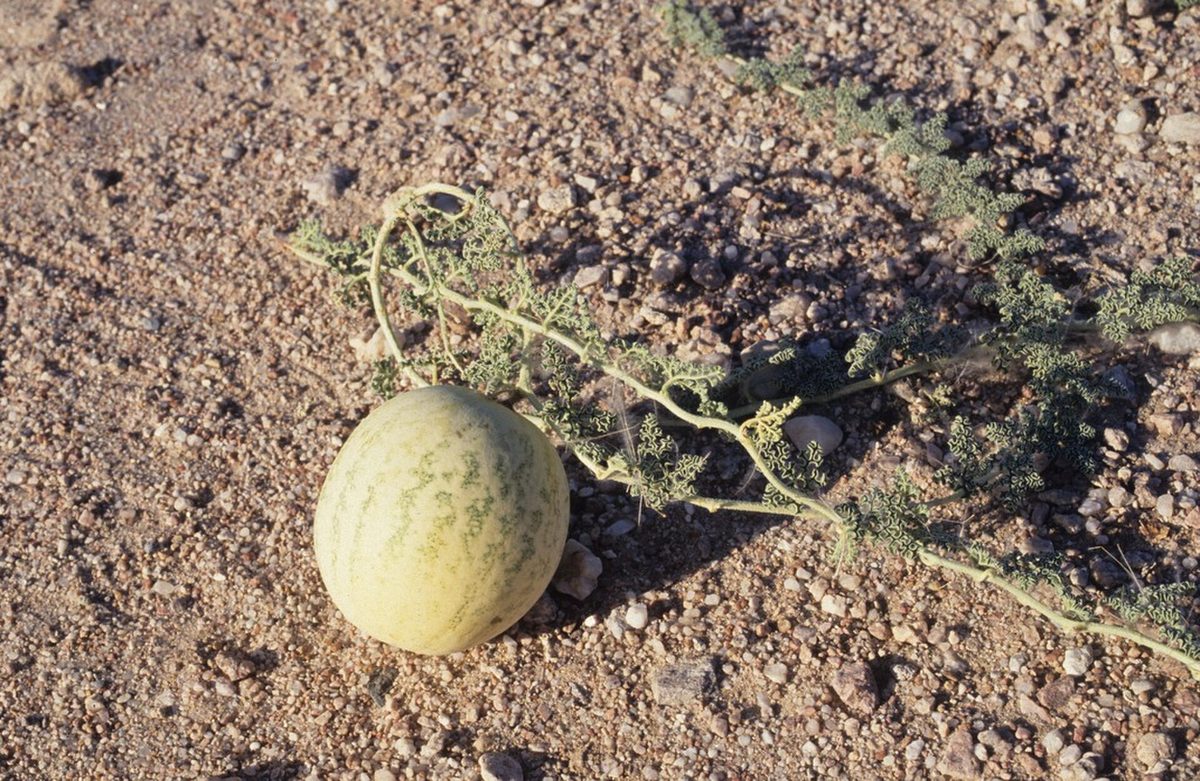
| WatermelonCitrullus lanatus | Warm season | Not documented | Not documented |
| CantaloupeCucumis melo | Warm season | Non-toxic | Non-toxic |
| Garden CucumberCucumis sativus | Warm season | Non-toxic | Non-toxic |
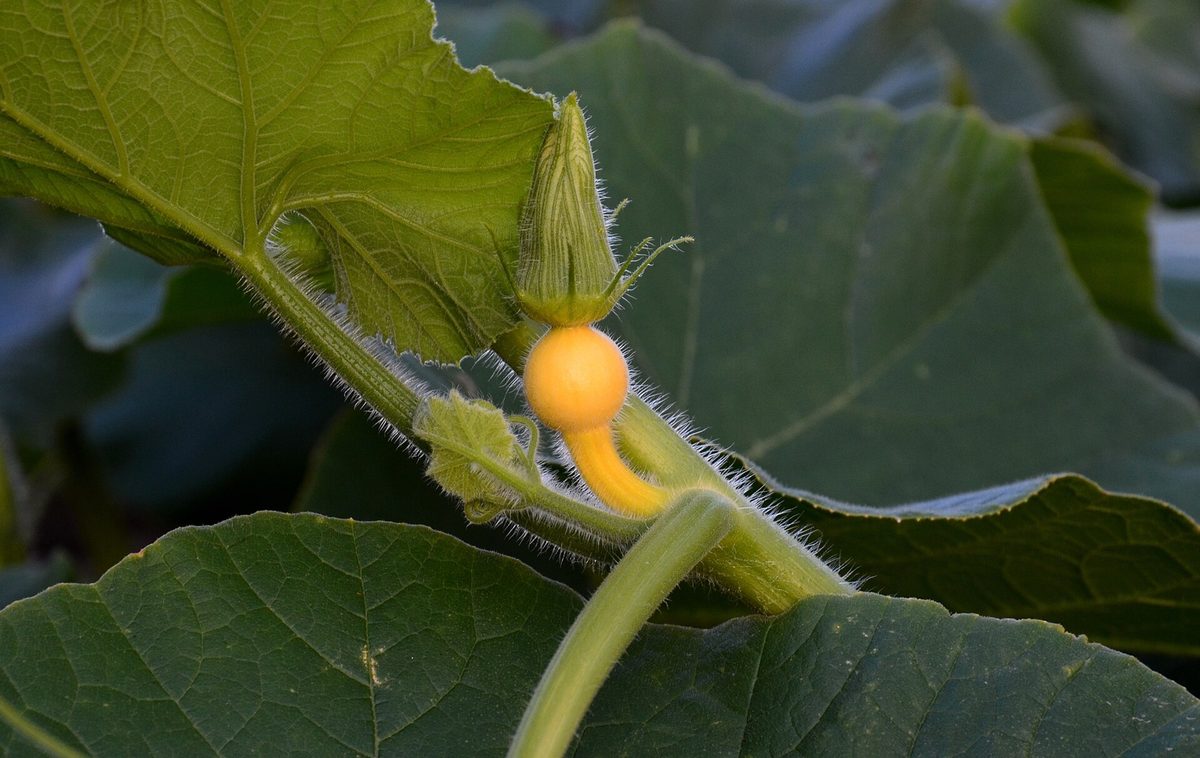
| Field PumpkinCucurbita pepo | Warm season | Non-toxic | Non-toxic |
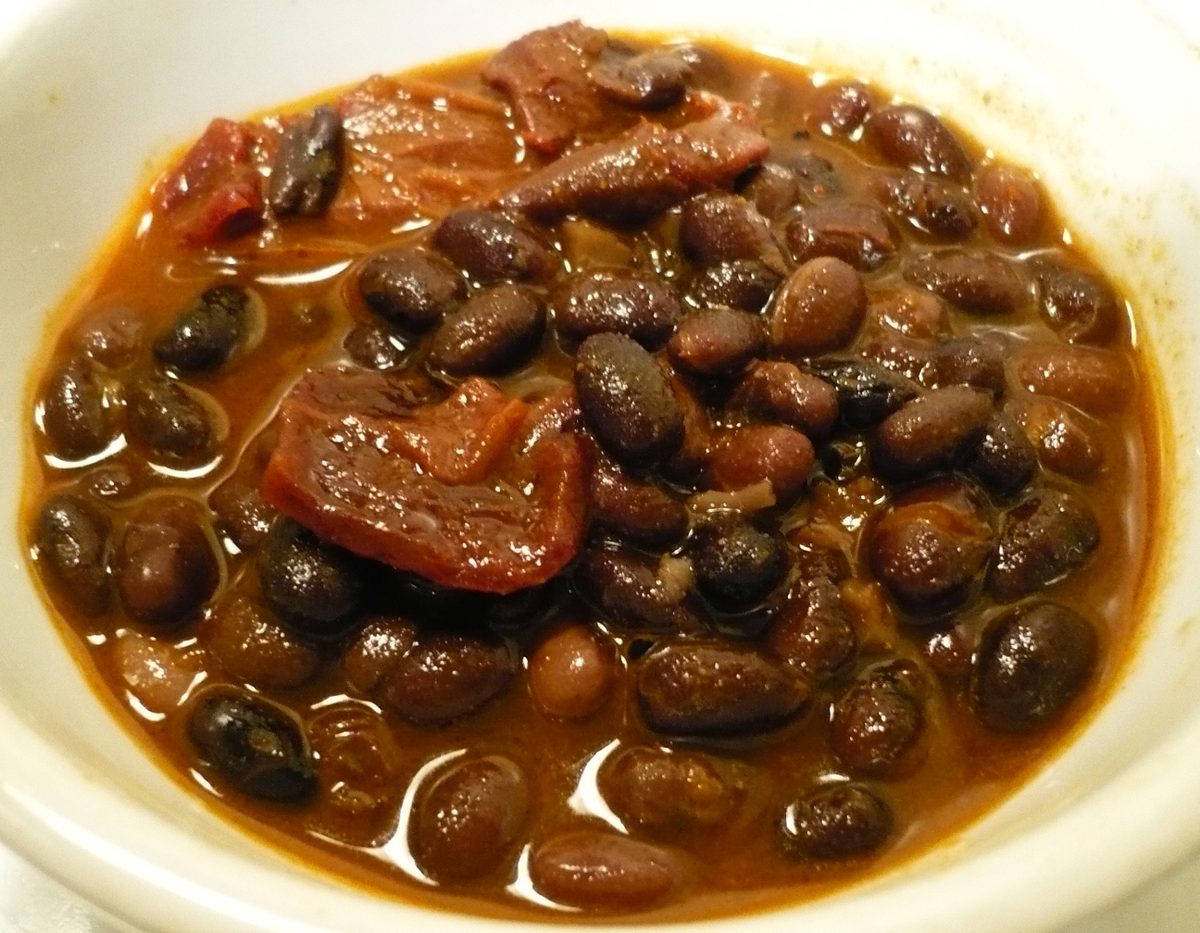
| Kidney BeanPhaseolus vulgaris | Warm season | Not documented | Not documented |
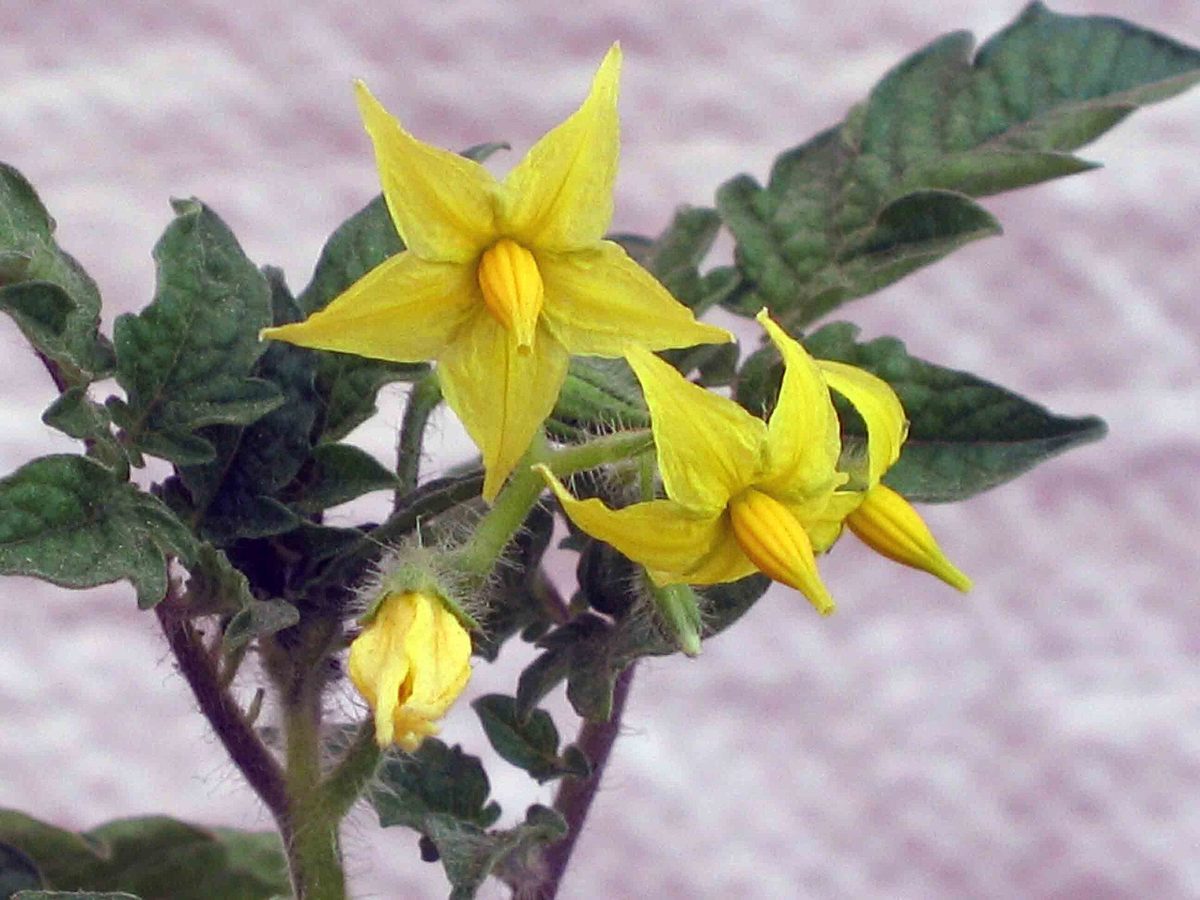
| Garden TomatoSolanum lycopersicum | Warm season | Toxic (1 source) | Toxic (1 source) |
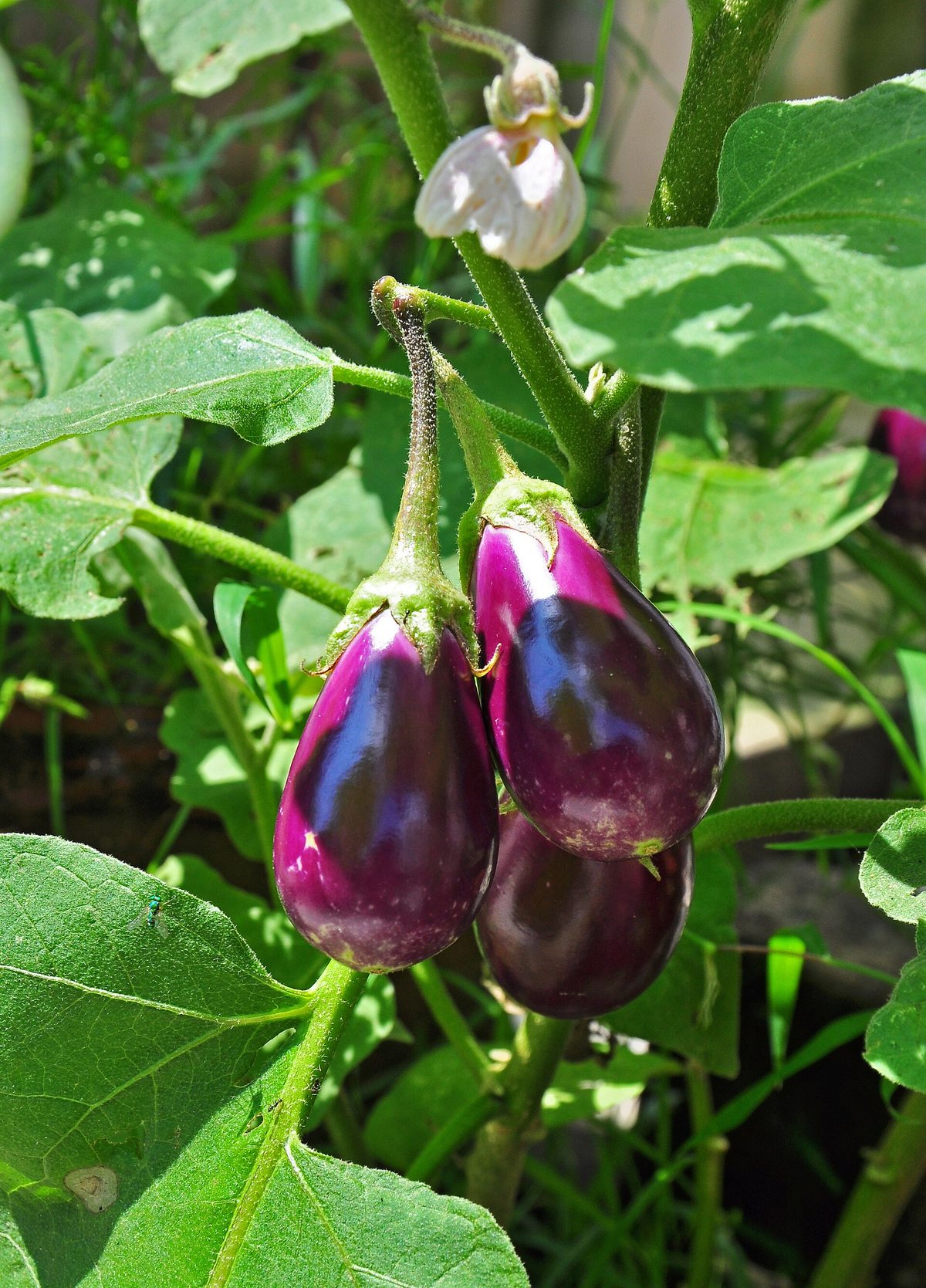
| EggplantSolanum melongena | Warm season | Toxic (1 source) | Toxic (1 source) |
| CornZea mays | Warm season | Not documented | Not documented |
This collection brings together several vegetable plants that share a single warm-season group label. Each plant on the list links out to its own page, where you can find the specific care details that this page does not cover. Use this page as a quick way to see which plants belong to the group, then open a plant's own page for its light, water, soil, and feeding notes. The collection itself does not state care steps; it only gathers the member plants in one place. If you already know which plant you want to grow, scroll to its name in the notes below. If you are still deciding, read each short note first to get a sense of the full group. Every member note here points you toward its own page rather than repeating details that live there already. This keeps the collection page short and the plant pages as the place for the full picture. You will not find temperature ranges, watering schedules, or soil mixes on this page. Those specifics, where a cited source supports them, live on each plant's own page instead. Treat this page as a map of the group, not as a growing guide on its own. A short note under each plant name tells you only that it is part of this warm-season group. For anything more, the linked page is the next stop. This approach keeps each fact tied to the page built around it. It also means you can trust that a detail you read on a plant's own page was checked against a source for that plant. The list below is not ranked by difficulty or popularity; it simply names each member of the group. Read through it at your own pace. When you are ready to plant, follow the link for the plant you have chosen.
The 9 plants
-
-
-
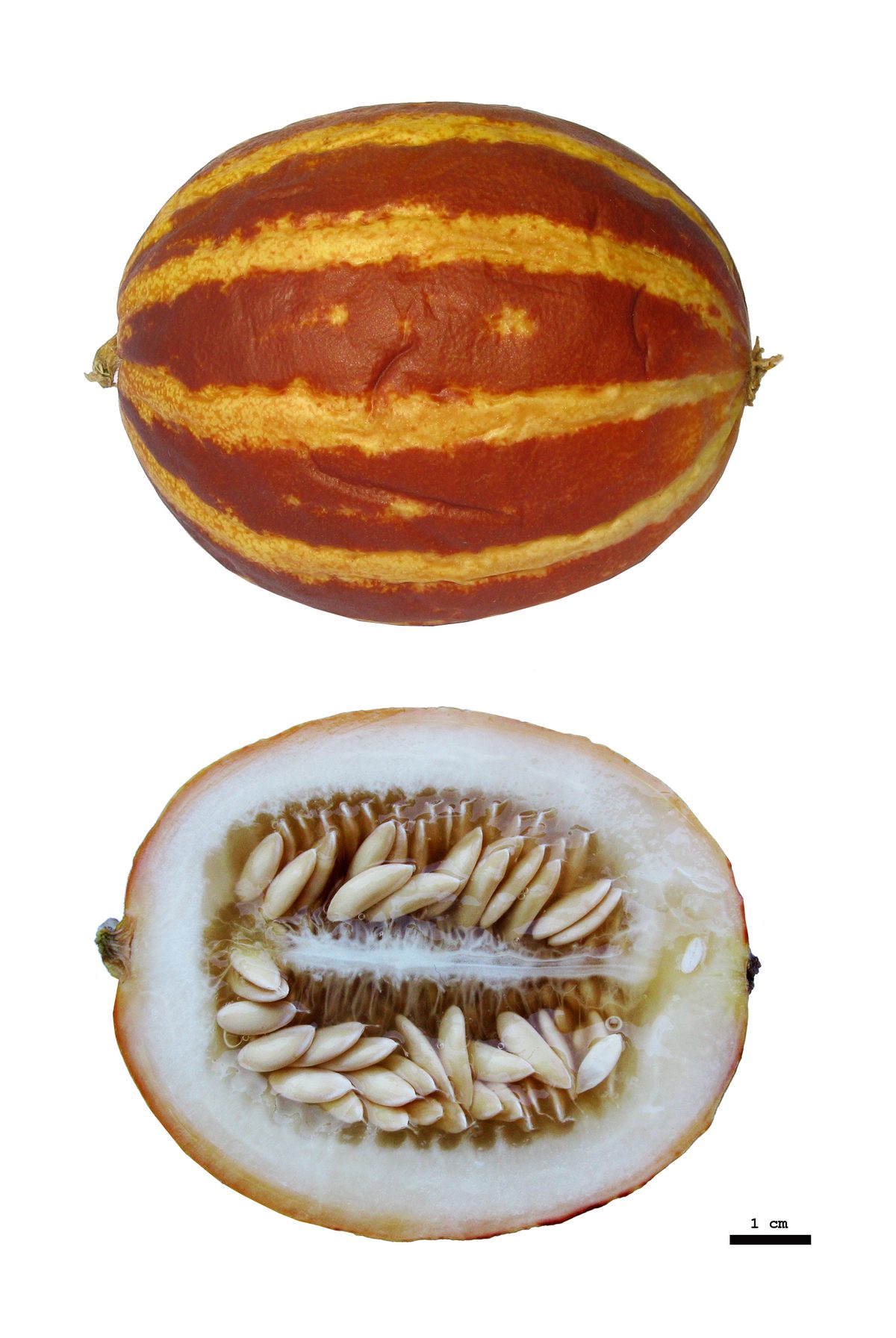
Cantaloupe
Cucumis melo
Warm season
Melon is listed as one of the plants grouped into this warm-season vegetable collection. Its own plant page holds the care details, such as light and water needs, that this short note does not include.
-
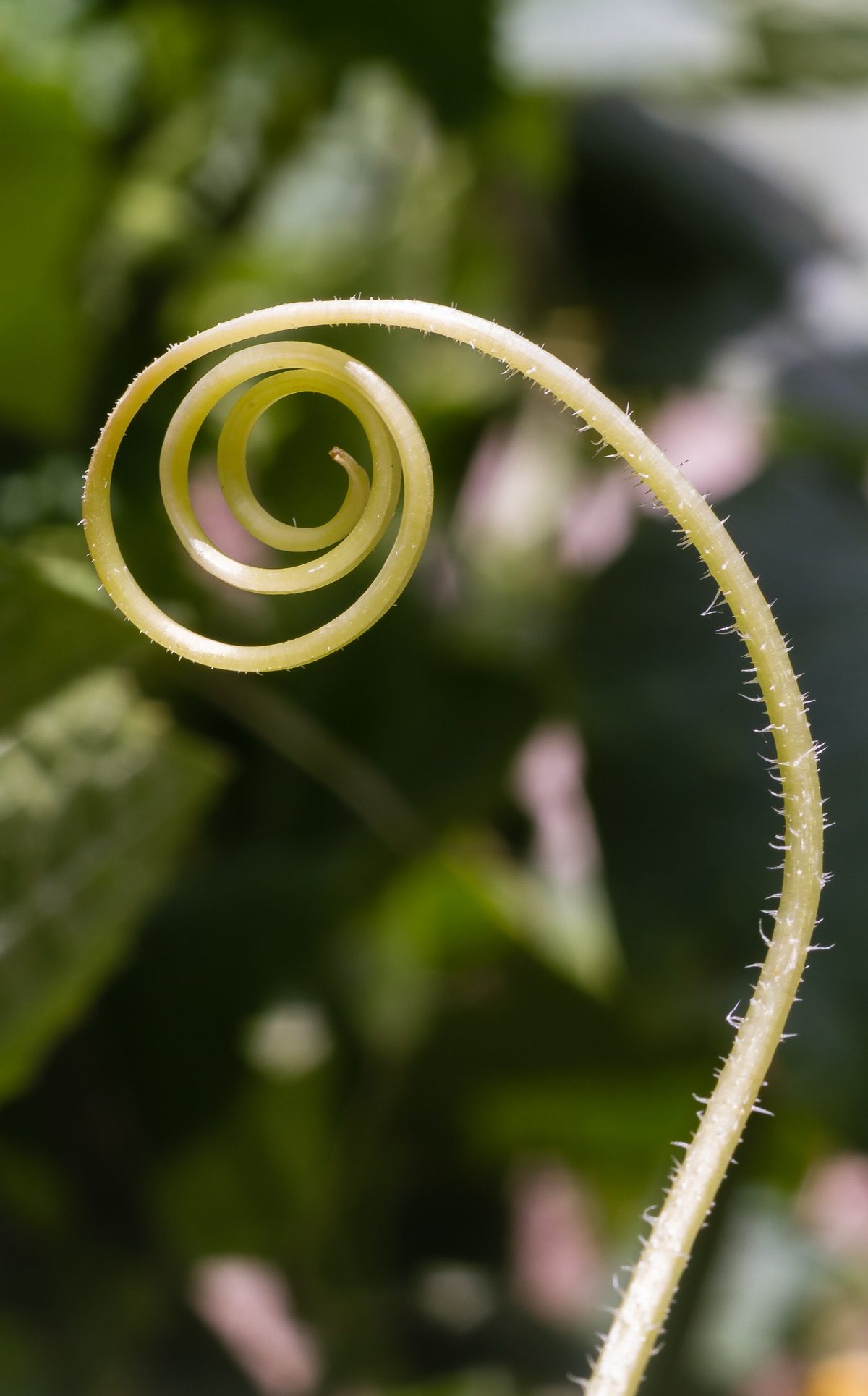
Garden Cucumber
Cucumis sativus
Warm season
Cucumber also sits inside this warm-season vegetable group on the page. Its full plant page carries the care facts, including soil and feeding notes, that this short entry does not list.
-
-
-
-
-
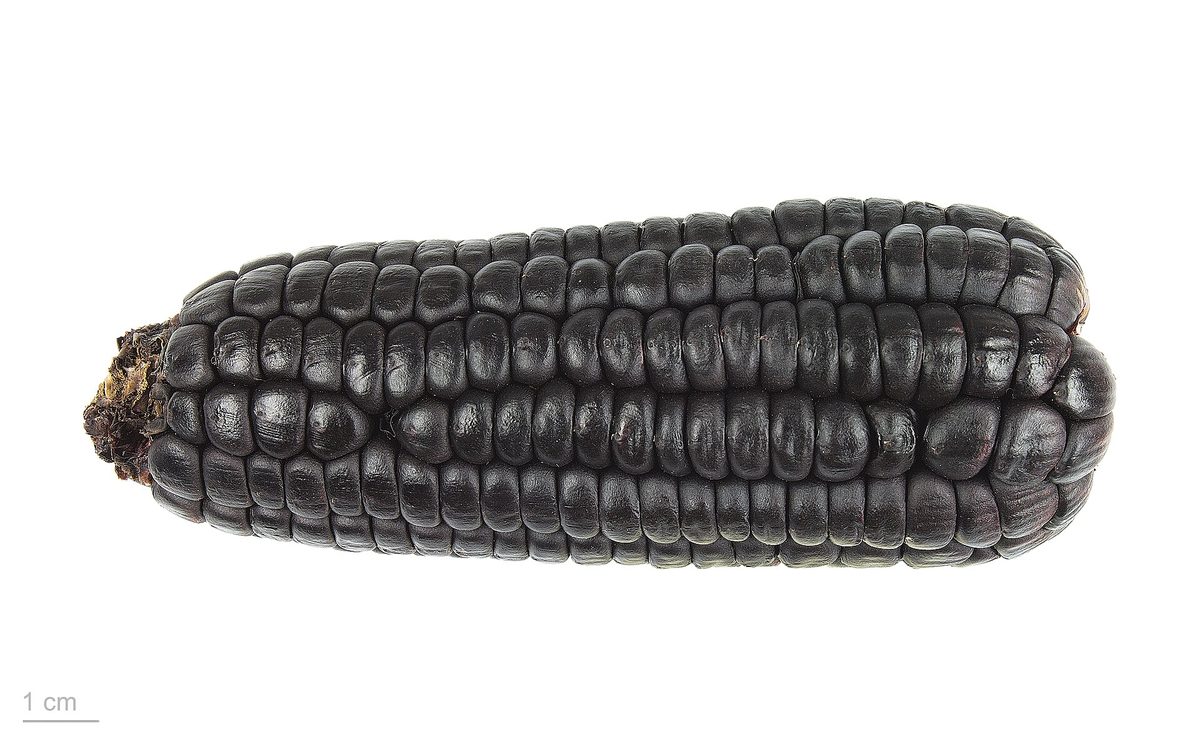
Corn
Zea mays
Warm season
Corn is another member of this warm-season vegetable group. Its own plant page holds the growing notes, such as spacing and soil details, that this short entry leaves out.
How we chose
Warm-season
Photo credits
- Cayenne Pepper photo by George Chernilevsky, Public domain via Wikimedia Commons
- Watermelon photo by Derek Keats from Johannesburg, South Africa, CC BY 2.0 via Wikimedia Commons
- Cantaloupe photo by Anaxibia, CC BY 4.0 via Wikimedia Commons
- Garden Cucumber photo by Friedrich Haag, CC BY-SA 4.0 via Wikimedia Commons
- Field Pumpkin photo by 1bumer, CC BY-SA 4.0 via Wikimedia Commons
- Kidney Bean photo by Badagnani, CC BY 3.0 via Wikimedia Commons
- Garden Tomato photo by 阿橋 HQ, CC BY-SA 2.0 via Wikimedia Commons
- Eggplant photo by Joydeep, CC BY-SA 3.0 via Wikimedia Commons
- Corn photo by Roger Culos, CC BY-SA 3.0 via Wikimedia Commons


How this page was made
- Written with AI assistance from the sources listed on this page. AI is never the source of a fact.