Hydrangea Types: 3 Varieties With Pictures
This hub page is where you would normally compare hydrangea species and cultivars side by side. Right now, no verified facts about this genus have been checked against a cited source. So this page cannot yet say which hydrangeas differ in size, bloom color, or care needs. Check back once species and cultivar pages for hydrangea have been reviewed and added.
Classification
Hydrangea is a genus in the family Hydrangeaceae. WCVP accepts 102 species; 3 are covered here.
How to choose
Picking between hydrangea types usually comes down to a few clear traits. These include mature size, bloom color, sun needs, and cold hardiness. This section would normally line up those traits for every hydrangea species and cultivar on this site. Those traits would normally include things like how wide a shrub spreads or whether it needs a sheltered spot in winter. Right now, no hydrangea species or cultivar pages have passed review for this genus. That means there are no checked facts yet about bloom color, mature size, or sun needs for any named hydrangea. There are also no confirmed facts yet about cold hardiness or soil pH preference. Rather than guess at these differences, this page leaves them blank. Each trait will be filled in once a source has been checked. If you already have a few hydrangea types in mind, look for their own species or cultivar pages once those are added. Those pages will carry specific, source-checked details. You will be able to compare flower shape, color range, plant height, and hardiness zone. Until then, this hub page cannot tell you which hydrangea suits a shady border. It also cannot tell you which one stays smallest in a container. A genus page works best once several member pages exist to compare against each other. A genus hub like this one is only as useful as the member pages behind it. As species and cultivar entries for hydrangea are checked and added, this section will be rewritten. It will then compare them directly, using their own documented traits.
3 types with pictures
-
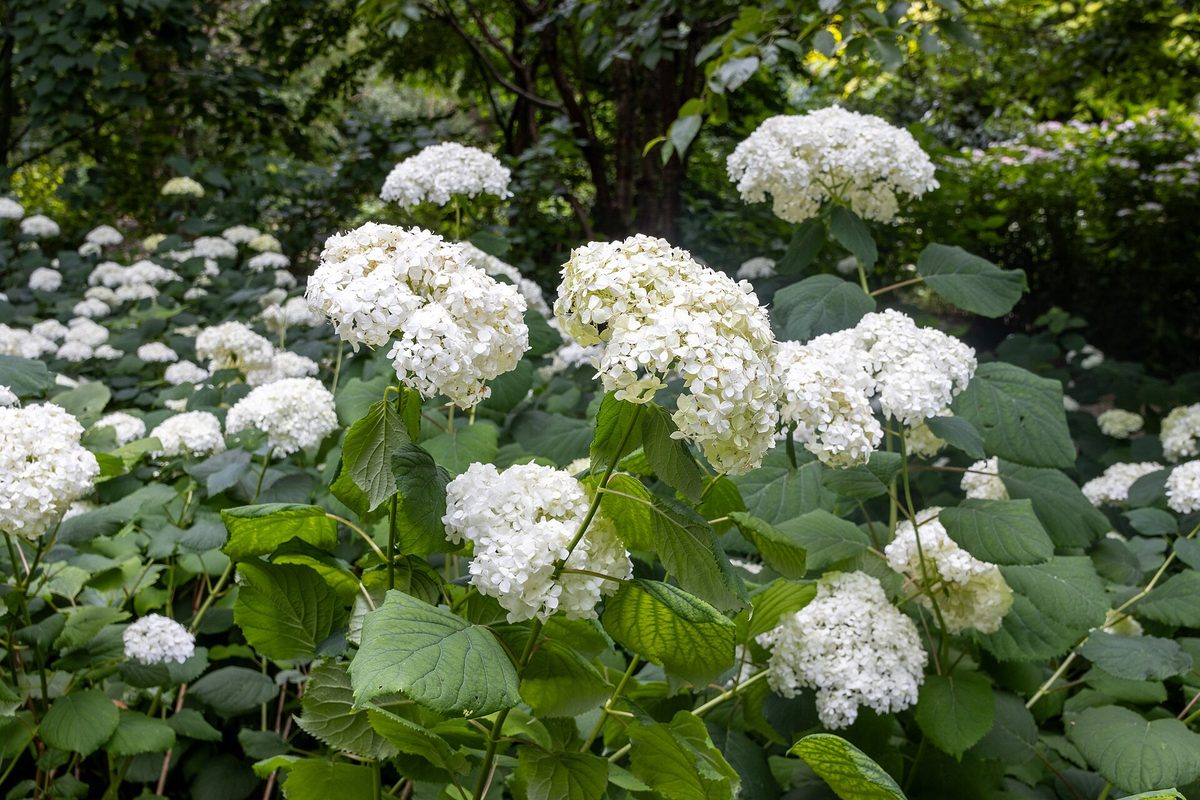
Wild Hydrangea
Hydrangea arborescens
Full sun, part shade and full shade (full sun preferred) · Zones 3a–9b · Sources differ: Penn State Extension; Oregon State University Extension Service; Penn State Extension
-
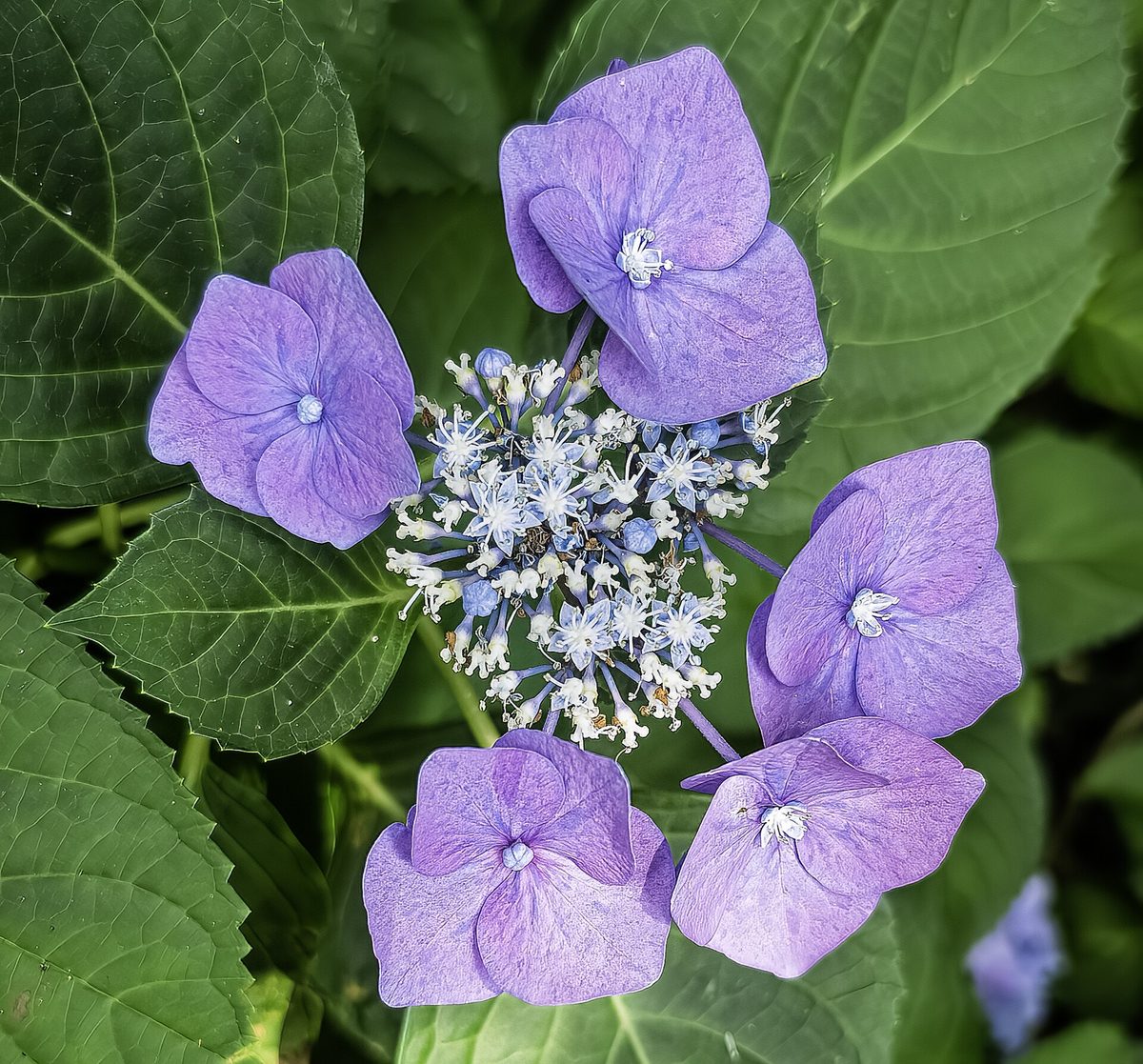
French Hydrangea
Hydrangea macrophylla
Sources differ: Iowa State University Extension and Outreach (Yard and Garden); Iowa State University Extension and Outreach (Yard and Garden); Iowa State University Extension and Outreach · Part shade and full shade (part shade preferred) · Zones 6a–11b
-
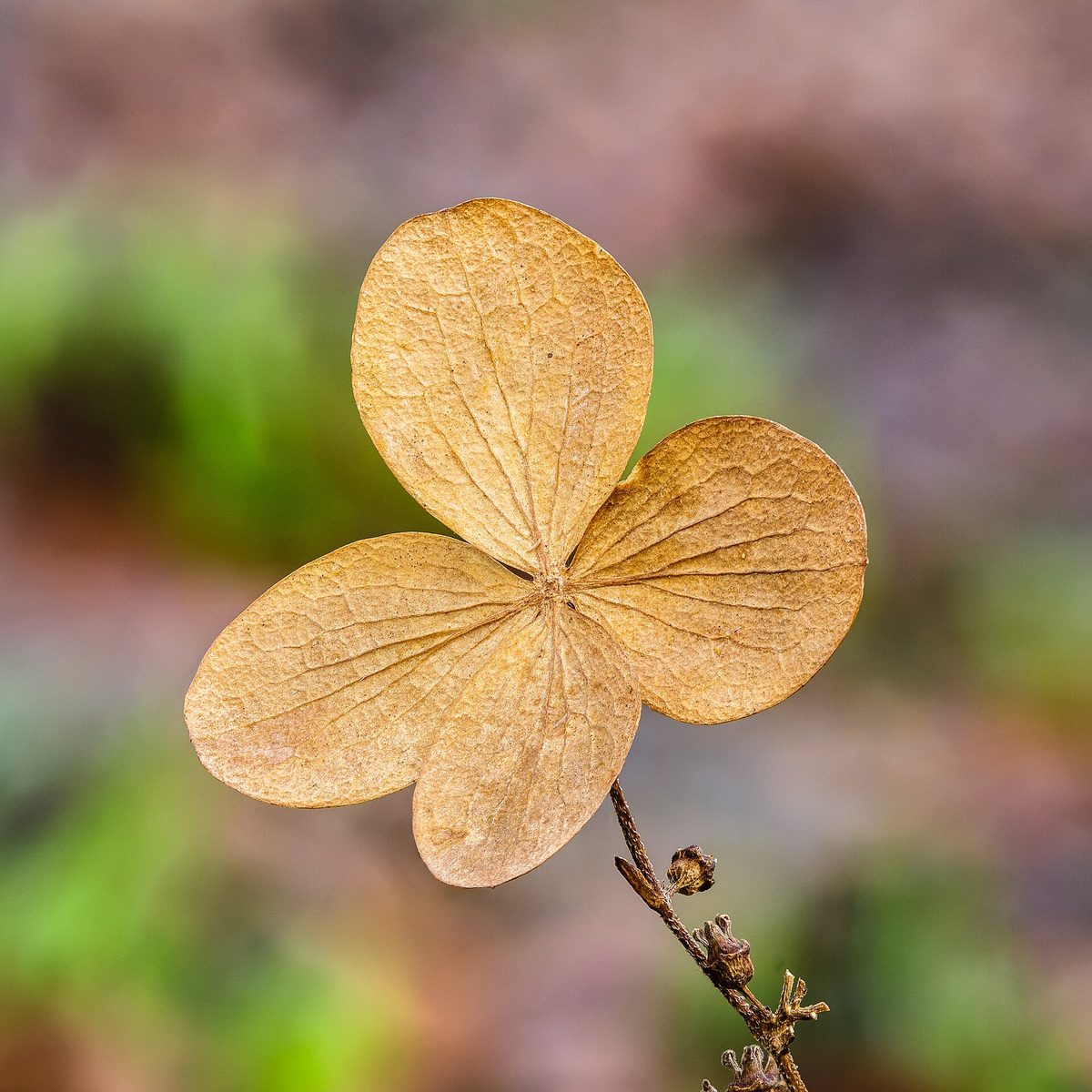
Panicled Hydrangea
Hydrangea paniculata
Full sun and part shade (full sun preferred) · Zones 3a–8b · Sources differ: University of Wisconsin-Madison Division of Extension (Wisconsin Horticulture)
Photo: Wikimedia Commons contributor, CC BY-SA 4.0 via Wikimedia Commons

Photo: Didier Descouens, CC BY-SA 4.0 via Wikimedia Commons

Photo: Agnes Monkelbaan, CC BY-SA 4.0 via Wikimedia Commons

Compared side by side
| Type | Height | Hardiness | Light | Bloom colour | Cats | Dogs |
|---|---|---|---|---|---|---|
| wild hydrangea | Sources differ: Penn State Extension; Oregon State University Extension Service; Penn State Extension | Zones 3a–9b | Full sun, part shade and full shade (full sun preferred) | White and green | Toxic | Toxic |
| French hydrangea | 3–6 ft (0.91–1.83 m) | Zones 6a–11b | Sources differ: Iowa State University Extension and Outreach (Yard and Garden); Iowa State University Extension and Outreach (Yard and Garden); Iowa State University Extension and Outreach | White, pink, blue and purple | Toxic | Toxic |
| panicled hydrangea | Sources differ: University of Wisconsin-Madison Division of Extension (Wisconsin Horticulture) | Zones 3a–8b | Full sun and part shade (full sun preferred) | White, pink and brown | Toxic (1 source) | Toxic (1 source) |
Care in common
Shared care advice on a genus page comes from traits that hold true across its members. That might be a common watering pattern, a shared light need, or a pruning window most of them follow. Those shared traits only get published once several member pages confirm them against a checked source. No hydrangea species or cultivar pages have been added to this genus yet. So there is nothing yet to compare for overlap in care needs. Watering frequency, soil pH effects, sun needs, feeding schedule, and winter protection are the kinds of facts this section would normally pull together. A reliable pH reading is one example of a fact this page is not yet able to confirm for any hydrangea. Those facts get added once they are confirmed for individual hydrangeas. Until that happens, this section cannot state a watering rule or a light rule that applies across the genus. Treating every hydrangea the same before that data exists carries a risk. A care step stated for the whole genus might fit some members but not others. Plants in the same genus can still differ in sun tolerance, pruning timing, or cold hardiness. A blanket statement made without a checked source for each one could misinform a reader. This page avoids that by waiting for confirmed, source-checked details from each hydrangea's own page. Check each plant's own page for its watering, light, soil, and pruning needs for now. Do this rather than relying on a genus-wide rule here. This section will be rewritten once shared traits across confirmed hydrangea members can be stated. Each one will carry its own cited source.
How this page was made
- Written with AI assistance from the sources listed on this page. AI is never the source of a fact.