Easy houseplants for beginners
Compared side by side
| Plant | Maintenance | Light | Cats | Dogs |
|---|---|---|---|---|
| Norfolk Island PineAraucaria heterophylla | Low | Direct sun; tolerates bright, indirect light and low light | Non-toxic | Non-toxic |
| Fragrant DracaenaDracaena fragrans | Low | Bright, indirect light; tolerates medium light and low light | Toxic (1 source) | Toxic (1 source) |
| Dracaena masonianaDracaena masoniana | Low | Bright, indirect light; tolerates low light | Toxic (1 source) | Toxic (1 source) |
| Snake PlantDracaena trifasciata | Low | Bright, indirect light; tolerates low light | Toxic | Toxic |
| PothosEpipremnum aureum | Low | Bright, indirect light; tolerates low light | Toxic | Toxic |
| Dwarf Umbrella TreeHeptapleurum arboricola | Low | Bright, indirect light; tolerates medium light and low light | Toxic | Toxic |
| Baby RubberplantPeperomia obtusifolia | Low | Bright, indirect light; tolerates low light | Non-toxic | Non-toxic |
| American EvergreenSyngonium podophyllum | Low | Medium light; tolerates low light and bright, indirect light | Toxic (1 source) | Toxic (1 source) |
This collection groups eight houseplants that often appear on lists of easy, beginner-friendly greenery. The plants span several unrelated families and come from different parts of the world. What links them isn't botany, but a reputation for staying alive through ordinary household neglect. A plant earns a spot here when growers and retailers widely describe it as forgiving. That can mean it survives a missed watering or a window that isn't very bright. It can also mean it bounces back after weeks of inconsistent attention. Easy care doesn't mean no care; every plant on this list still needs occasional attention to stay healthy. That reputation is a starting point, not a guarantee, and it says nothing about whether a plant suits your home, your pets, or your climate. Each plant's own page on this site covers its light, water, and toxicity details in depth, sourced and checked one species at a time. This hub exists only to group plants that share a beginner-friendly reputation, so you can compare them in one place before you choose. Being listed here doesn't rank one plant above another, and it doesn't mean this collection covers every easy houseplant worth growing. A plant you don't see here may be just as easy to grow. It may simply not have its own page on this site yet. New plants join this collection as they're reviewed and published, so the list will grow over time rather than stay fixed at eight. If you're new to houseplants, skim the short note under each one below. Then open the ones that sound like a fit for your space. Each plant's own page then covers how much light it wants and how often to water it. It also covers whether that plant is a risk to cats or dogs. Treat this hub as a shortlist, not a verdict.
The 8 plants
-
Norfolk Island Pine
Araucaria heterophylla
Low · Direct sun; tolerates bright, indirect light and low light
Known in nurseries as the Norfolk Island pine, Araucaria heterophylla rounds out this list as its one conifer. Its spot here comes from the same shared, beginner-friendly reputation that ties the whole collection together. It isn't a rating unique to this species.
-
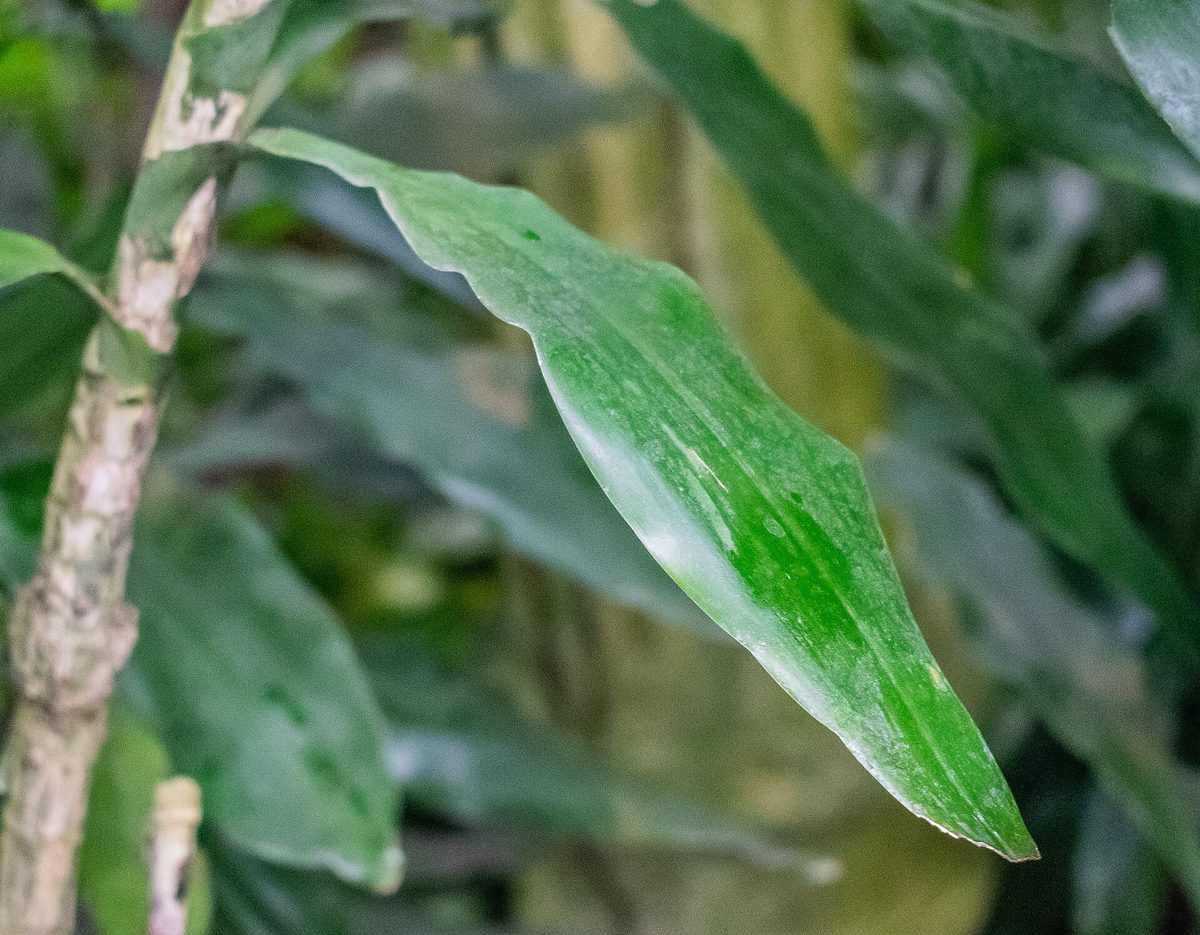
Fragrant Dracaena
Dracaena fragrans
Low · Bright, indirect light; tolerates medium light and low light
Dracaena fragrans is commonly called the corn plant, after the shape of its broad, cane-like leaves. This page groups it with the other seven under the same beginner-friendly reputation laid out in the intro above.
-
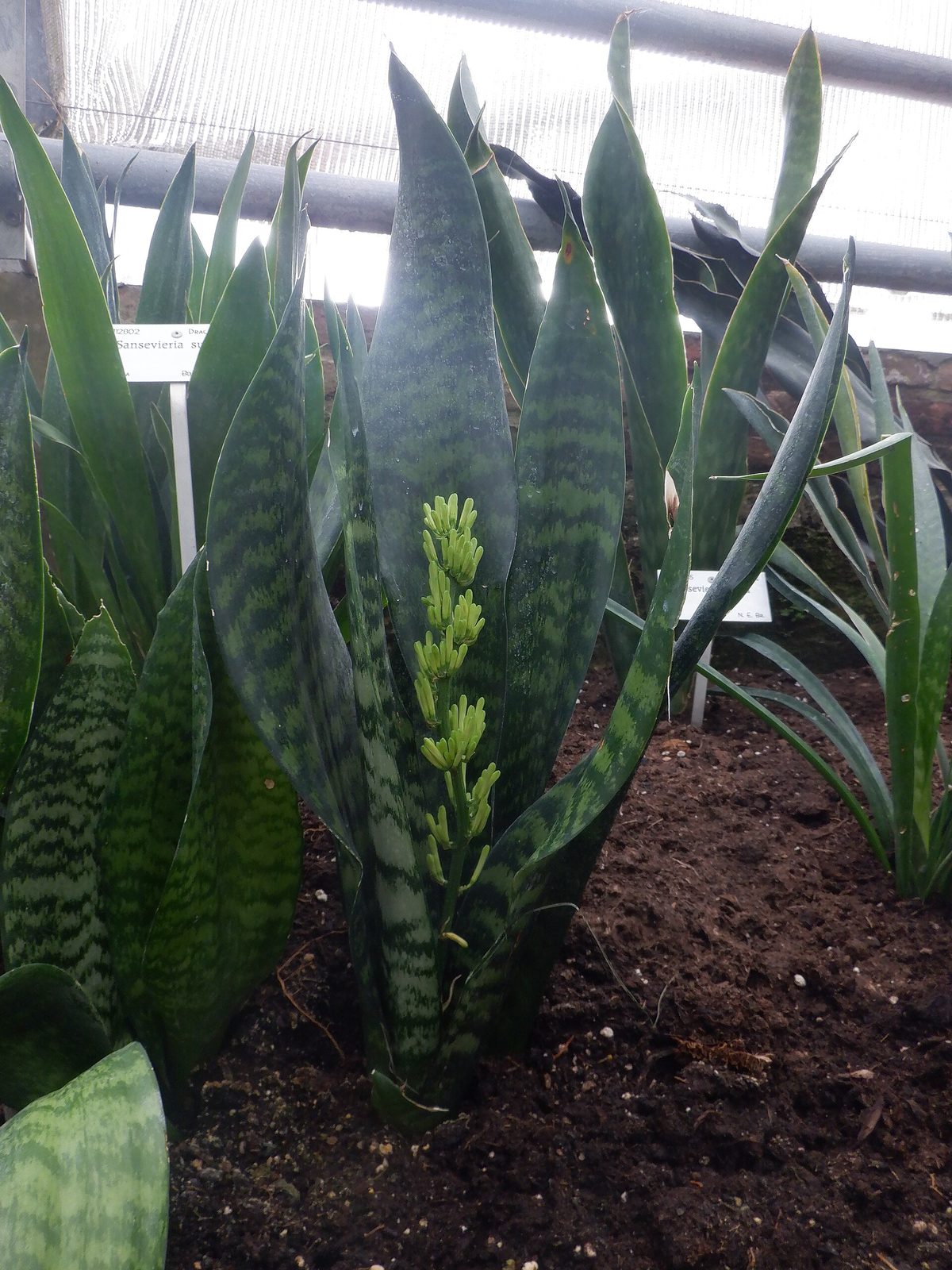
Dracaena masoniana
Dracaena masoniana
Low · Bright, indirect light; tolerates low light
Some nurseries sell Dracaena masoniana as the whale fin plant, named for its broad, paddle-shaped leaves. It belongs on this list for the same general reason as every other plant here. That reason is covered in the intro rather than repeated for each species.
-
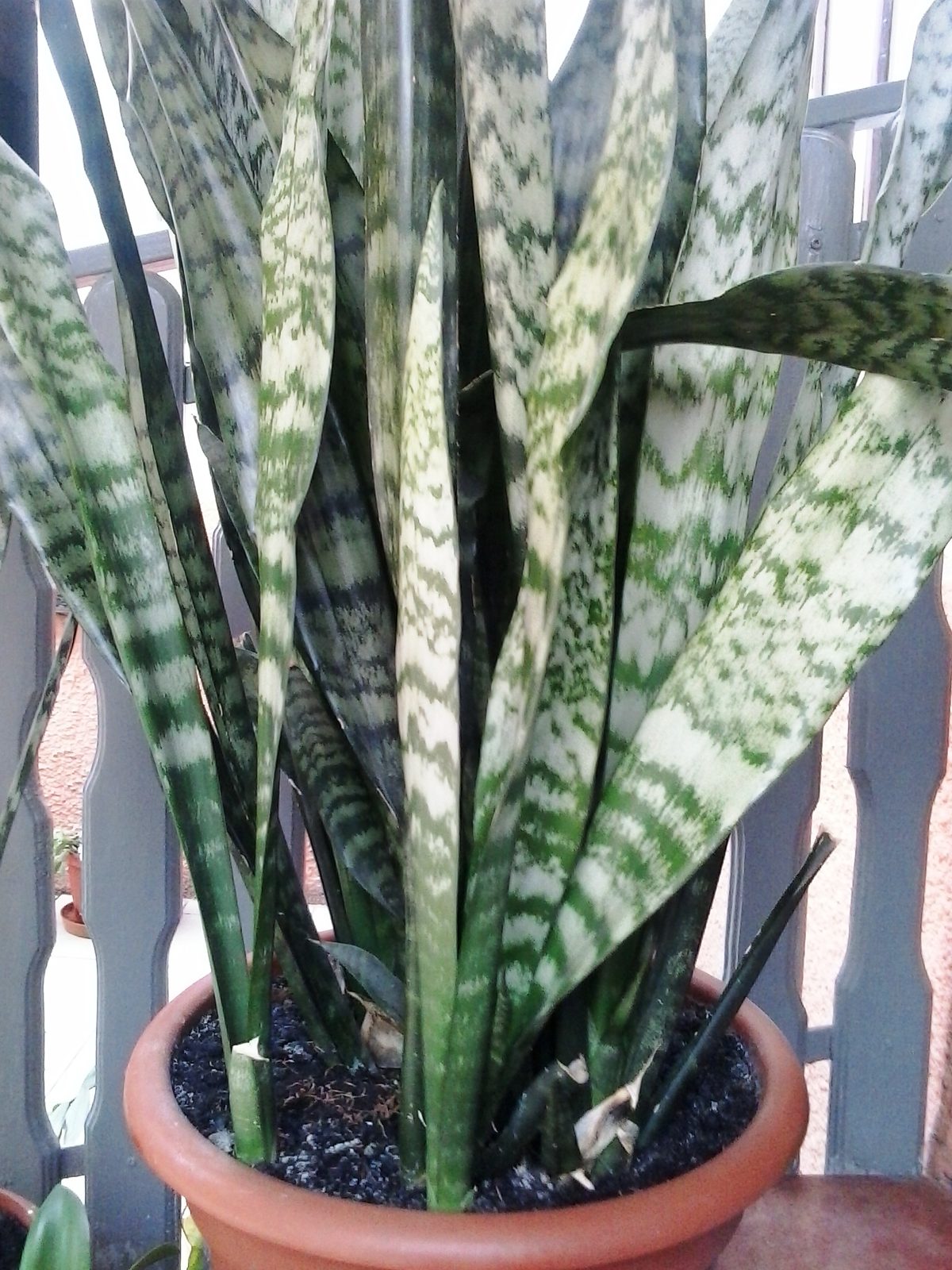
Snake Plant
Dracaena trifasciata
Low · Bright, indirect light; tolerates low light
Most people know Dracaena trifasciata by its common name, the snake plant. Its place in this collection rests on the same shared criteria described above, applied to it like every other member of the group.
-
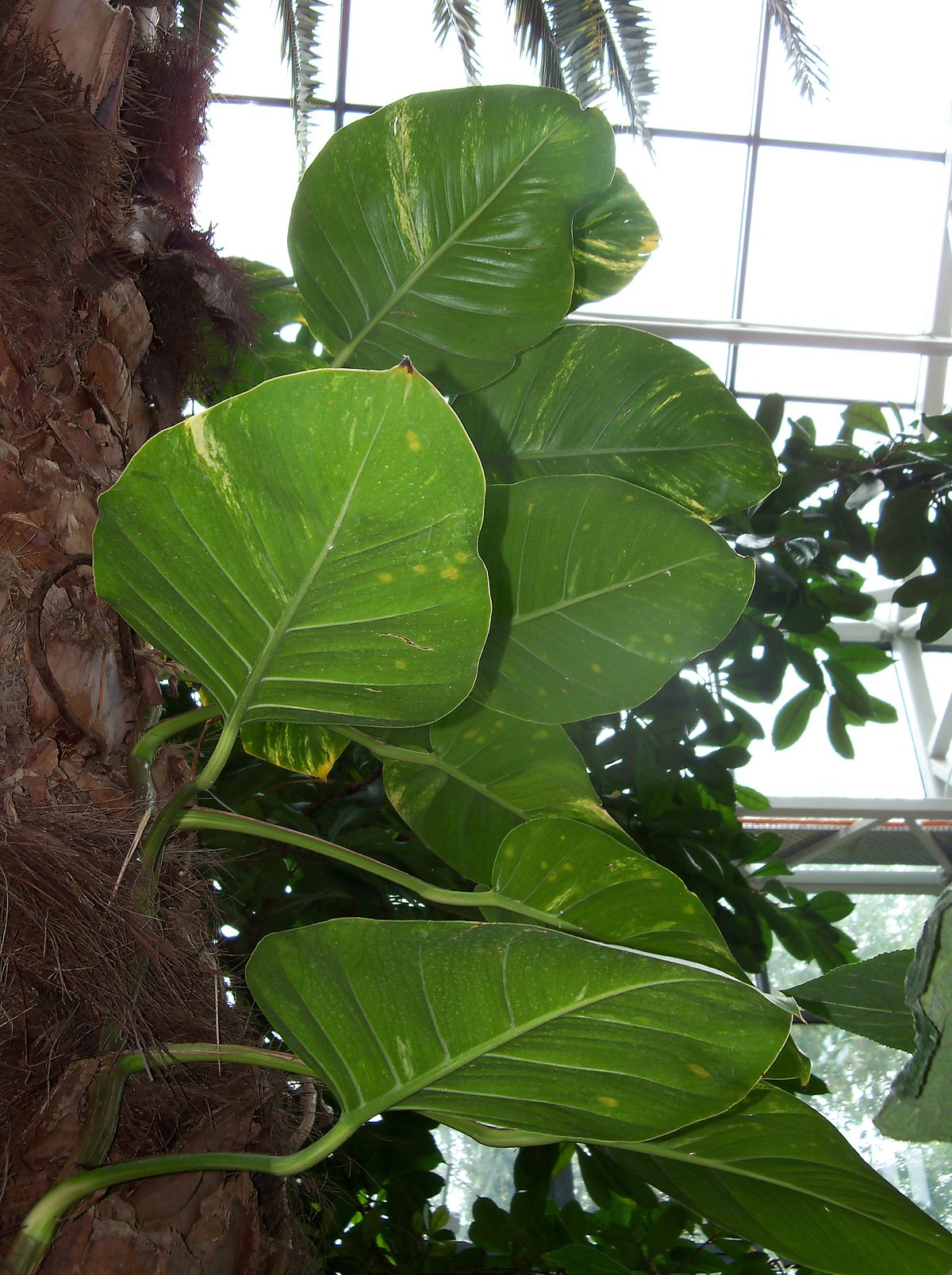
Pothos
Epipremnum aureum
Low · Bright, indirect light; tolerates low light
Epipremnum aureum, better known as golden pothos or devil's ivy, is one of the most familiar vines on any such list. Here, it sits with the other seven for the same reason, not for any trait singled out for this species alone.
-
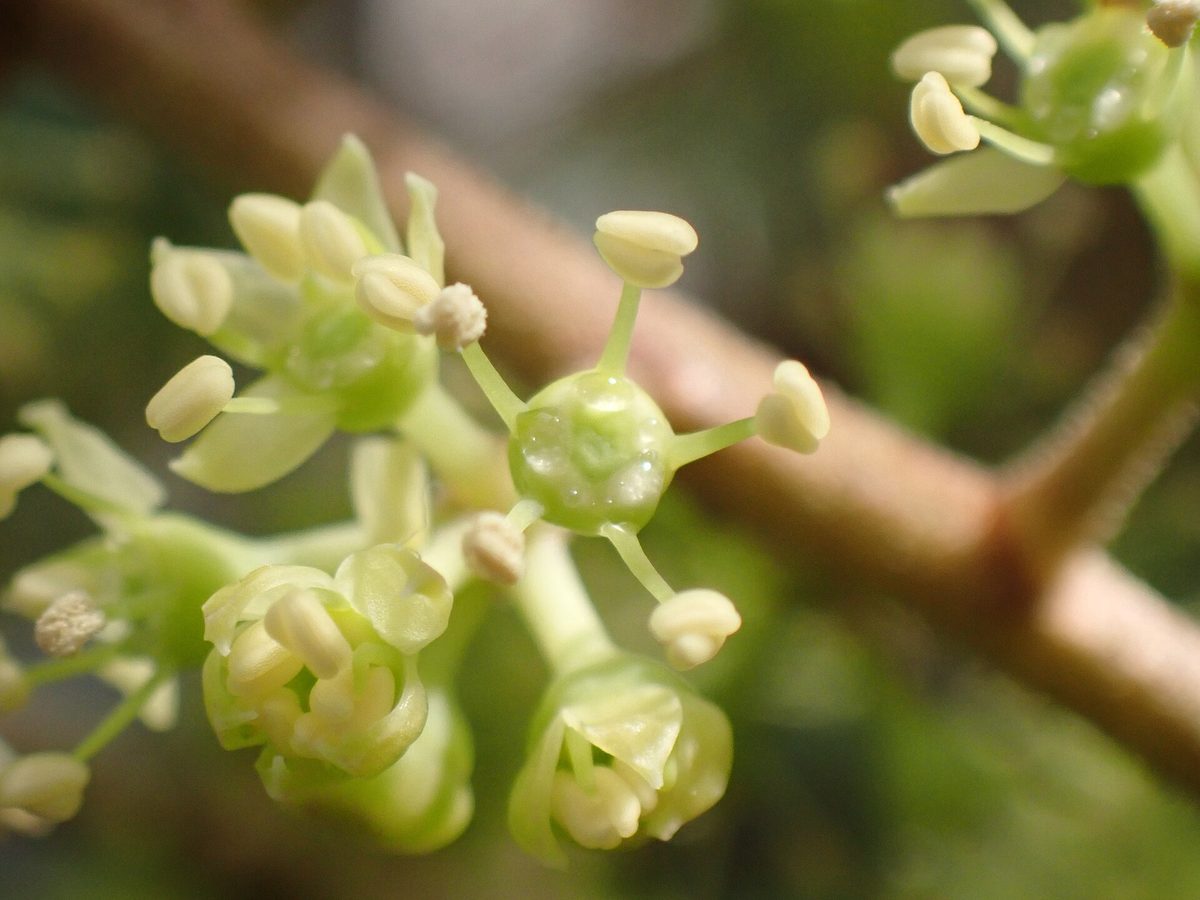
Dwarf Umbrella Tree
Heptapleurum arboricola
Low · Bright, indirect light; tolerates medium light and low light
Heptapleurum arboricola is usually sold under its common name, the dwarf umbrella tree. Its inclusion follows the same shared, beginner-friendly standard that applies to every plant in this collection.
-
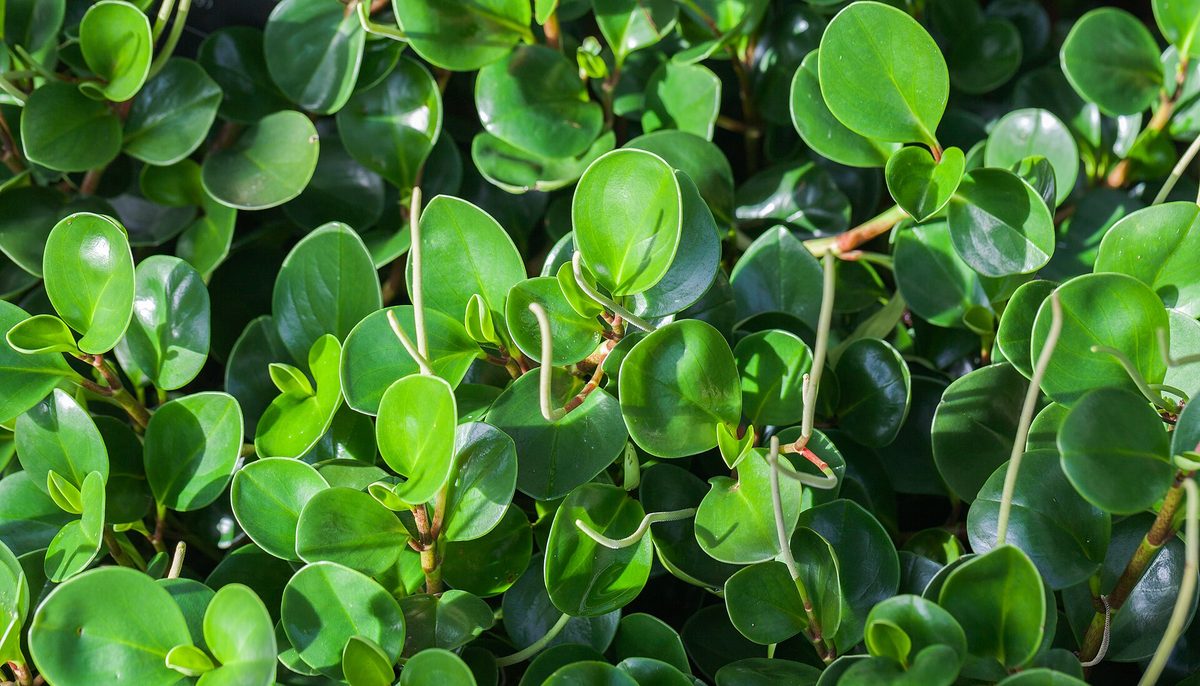
Baby Rubberplant
Peperomia obtusifolia
Low · Bright, indirect light; tolerates low light
The baby rubber plant is the common name most often used for Peperomia obtusifolia, noted for its thick, glossy leaves. It joins this list under the same reasoning as the rest of the group. That reasoning is set out once in the intro above, rather than repeated here.
-
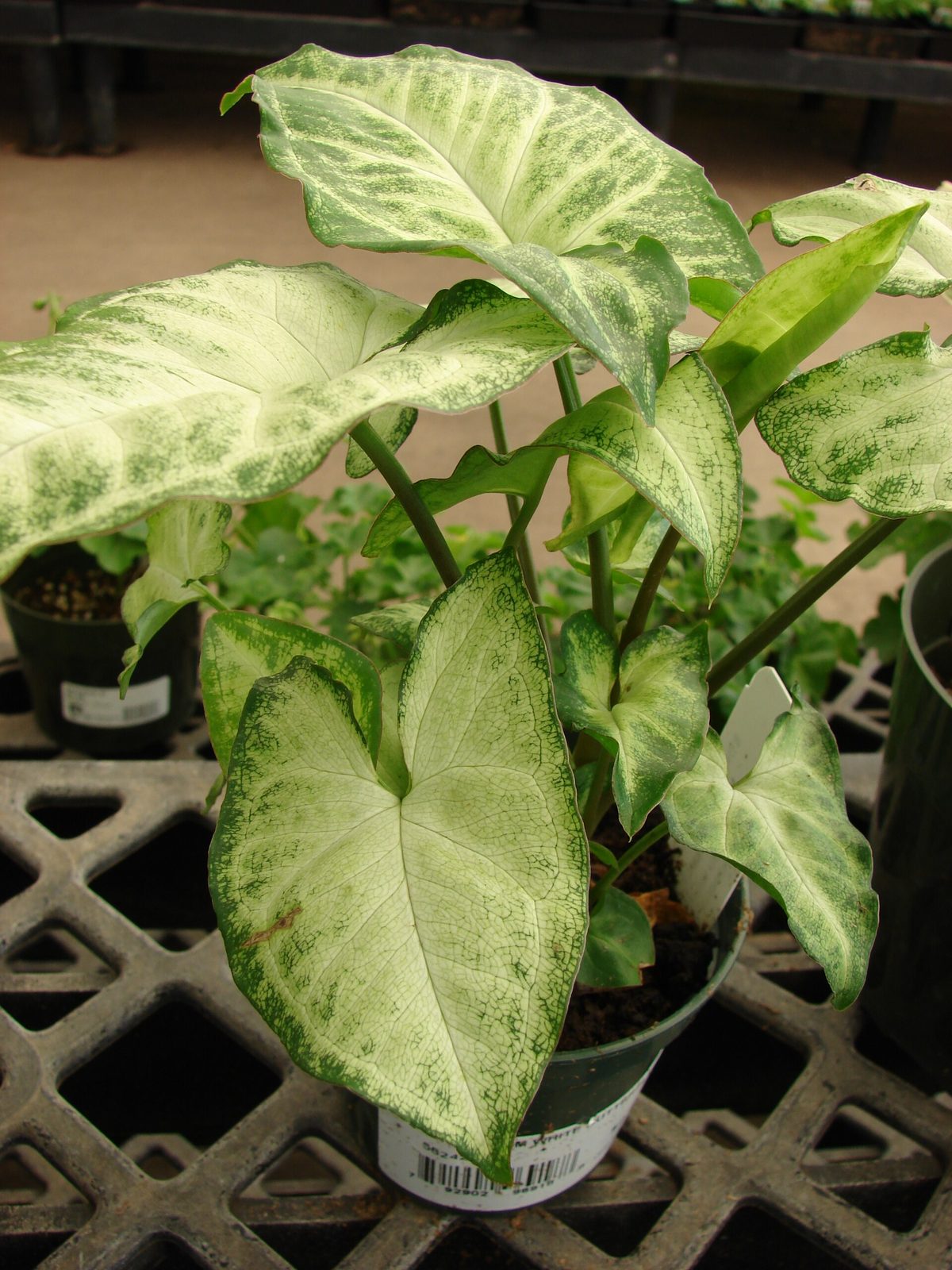
American Evergreen
Syngonium podophyllum
Low · Medium light; tolerates low light and bright, indirect light
Syngonium podophyllum goes by several common names, among them arrowhead plant and arrowhead vine. It rounds out this collection for the same shared reason as every plant listed above it, not a separate standard of its own.
How we chose
Low-maintenance, and tolerates low or medium indoor light
Photo credits
- Fragrant Dracaena photo by Tournasol7, CC BY 4.0 via Wikimedia Commons
- Dracaena masoniana photo by Hannes wilms, CC BY-SA 4.0 via Wikimedia Commons
- Snake Plant photo by Ujlak, CC BY-SA 3.0 via Wikimedia Commons
- Pothos photo by Marek Argent (Abrimaal), CC BY-SA 3.0 via Wikimedia Commons
- Dwarf Umbrella Tree photo by M108t, CC BY 4.0 via Wikimedia Commons
- Baby Rubberplant photo by Wikimedia Commons contributor, CC BY-SA 3.0 via Wikimedia Commons
- American Evergreen photo by Forest & Kim Starr, CC BY 3.0 via Wikimedia Commons


How this page was made
- Written with AI assistance from the sources listed on this page. AI is never the source of a fact.