Beach Sheoak (Casuarina equisetifolia)
Formerly Casuarina littorea, Casuarina incana, Casuarina indica
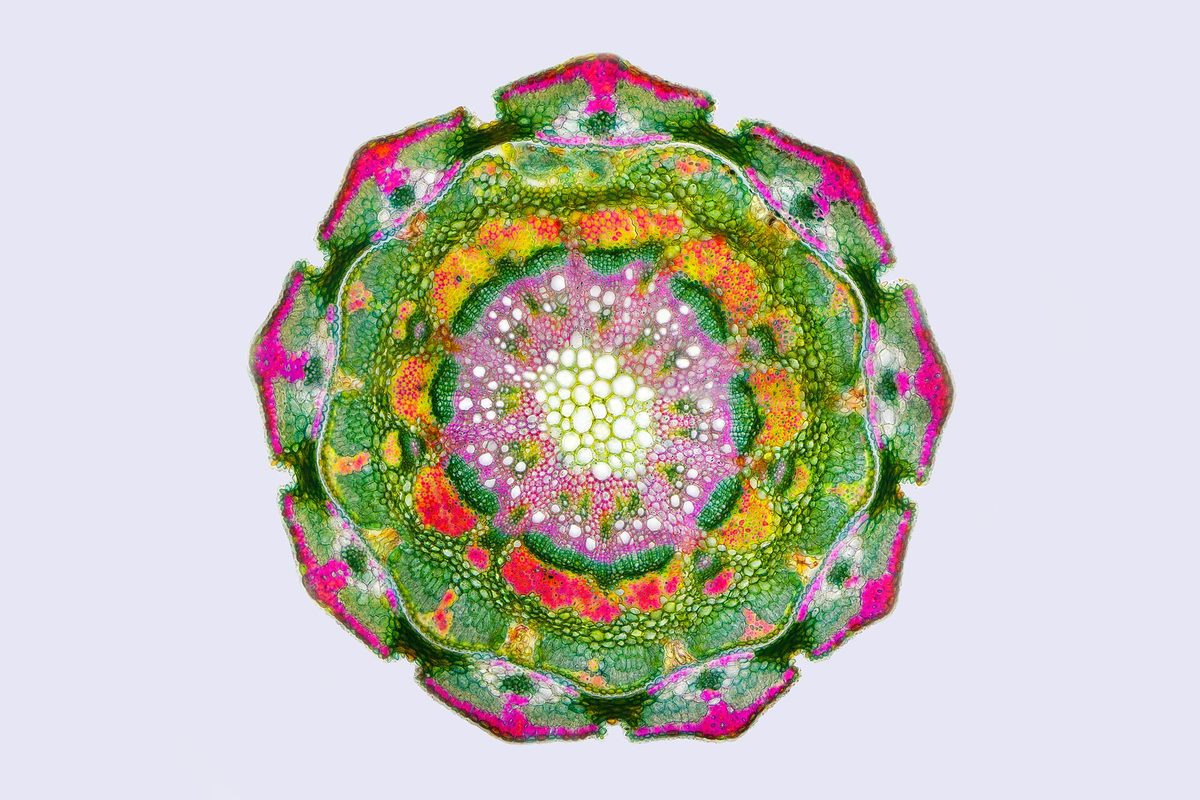
Photo: Anatoly Mikhaltsov, CC BY-SA 4.0 via Wikimedia Commons

Quick facts
| Soil: | Well drained11 source |
|---|---|
| Size: | 49.2–98.4 ft (15–30 m) × 40 ft (12.19 m)241 source |
| Growth rate: | Rapid21 source |
| Cats: | Not documented by major sources |
| Dogs: | Not documented by major sources |
| Native range: | ASS, BAN, BOR, CBD, CRL, FIJ, IND, JAW, LSI, MLY, MRN, MRS, MYA, NSW, NTA, NWC, NWG, PHI, QLD, SAM, SCS, SOL, SUL, SUM, THA, TON, TUV, VAN, VIE5 |
| Family: | Casuarinaceae |
Best soil for a Beach Sheoak
Beach sheoak (Casuarina equisetifolia) is recorded as a tree that grows in well drained soil. It is described as salt tolerant and as growing well in sandy soil. For the planting site, the outdoor light recorded for it is full sun, described as bright, full sunlight.
- Soil drainage: Well drained1
How to propagate a Beach Sheoak
Seed is the propagation method recorded for beach sheoak (Casuarina equisetifolia). The seed needs no pregermination treatment. The tree is recorded as fast growing, at 5 to 10 ft (1.5-3 m) per year. At maturity it is recorded at 50 to 100 ft (15-30 m) in height.
- Propagation: Seed2
Common problems
Recorded pests for beach sheoak include citrus longhorned beetle, Asian longhorned beetle, shot hole borer, glassy winged sharpshooter and cottony cushion scale. Aleurothrixus trachoides and Poophilus costalis are also recorded. The disease recorded is bacterial wilt. The record for bacterial wilt names the Ralstonia solanacearum species complex.
| Problem | Kind |
|---|---|
| Aleurothrixus trachoides | Pest |
| Citrus longhorned beetle | Pest |
| Asian longhorned beetle | Pest |
| Shot hole borer | Pest |
| Glassy winged sharpshooter | Pest |
| Cottony cushion scale | Pest |
| Poophilus costalis | Pest |
| Bacterial wilt | Disease |
Is Beach Sheoak toxic to cats and dogs?
Recommended supplies
- Soil: a free-draining mix, and a pot with a drainage hole.
Questions and answers
- How tall does beach sheoak grow?
- Beach sheoak is recorded at 50 to 100 ft (15-30 m) in height. Its canopy spread is recorded at up to 40 ft (12.19 m). Its growth rate is recorded as rapid.
- How much light does beach sheoak want when it grows outdoors?
- Full sun is the outdoor light recorded for beach sheoak, Casuarina equisetifolia. It is described as thriving in bright, full sunlight.
- Where is beach sheoak native, and is it native to the US?
- Its native range is recorded with region codes including IND, THA, PHI and QLD. In the US its native status is introduced in US-HI, US-L48 and US-PR.
Sources
- University of Florida IFAS Extension (EDIS). https://ask.ifas.ufl.edu/fr366. Accessed 28 October 2026.
- USDA Forest Service Fire Effects Information System (FEIS). https://www.fs.usda.gov/database/feis/plants/tree/casspp/all.html. Accessed 14 October 2026.
- EPPO Global Database. https://gd.eppo.int/taxon/CSUEQ/pests. Accessed 14 October 2026.
- University of Florida IFAS Extension (EDIS). https://ask.ifas.ufl.edu/publication/FR366. Accessed 11 October 2026.
- Royal Botanic Gardens, Kew (World Checklist of Vascular Plants). https://sftp.kew.org/pub/data-repositories/WCVP/wcvp.zip. Accessed 4 June 2026.
How this page was made
- Written with AI assistance from the sources listed on this page. AI is never the source of a fact.