European Alder (Alnus glutinosa)
Formerly Betula glutinosa, Alnus aurea, Alnus incisa
European alder is a rapidly growing tree that prefers full sun outdoors. It also tolerates part shade. Keep its soil medium to medium wet. It survives winters in USDA zones 4a through 7b. It can grow in soil with good drainage, moisture, or occasional wetness. It reaches 40 to 60 ft (12.19-18.29 m) tall at maturity. No cited source lists European alder's toxicity to cats or dogs.
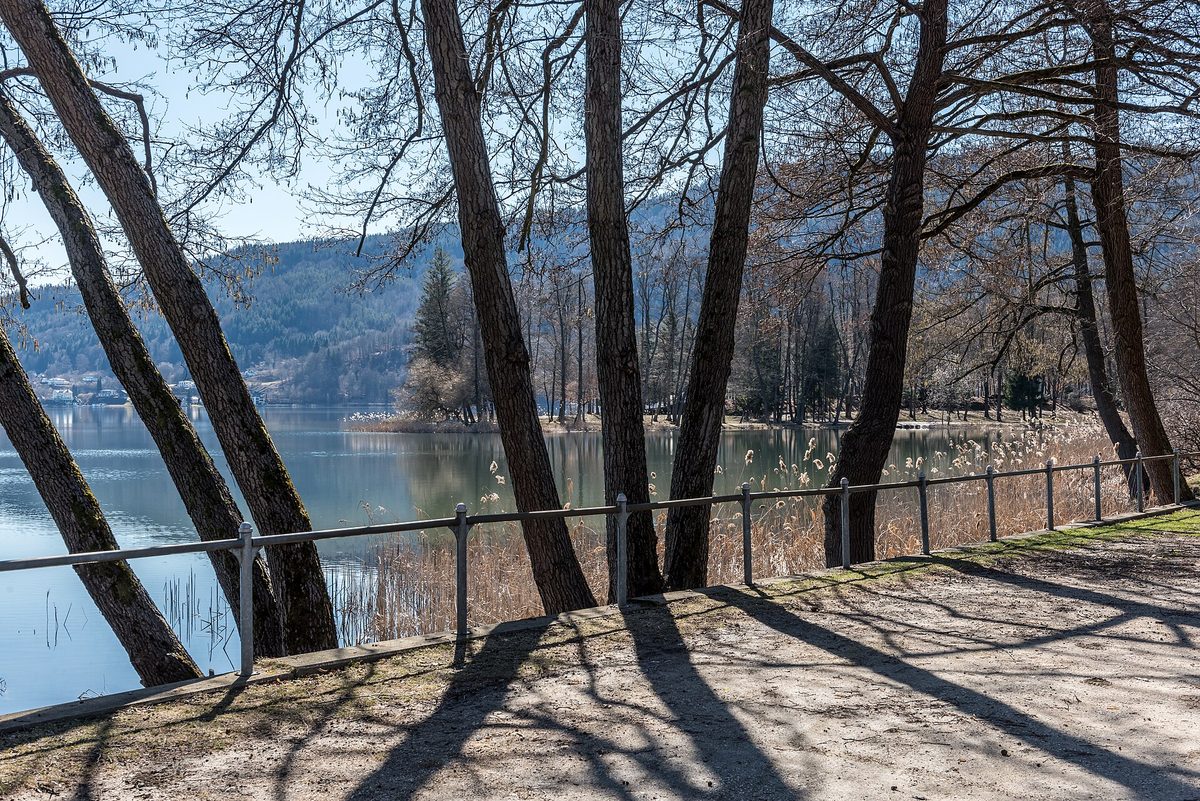
Photo: Johann Jaritz, CC BY-SA 3.0 via Wikimedia Commons

Quick facts
| Light: | Full sun and part shade (full sun preferred)11 source |
|---|---|
| Water: | Medium to wet11 source |
| Soil: | Well drained, moist and occasionally wet; pH 5–8121 source |
| Hardiness: | Zones 4a–7b11 source |
| Size: | 40–60 ft (12.19–18.29 m) × 20–40 ft (6.1–12.19 m)11 source |
| Growth rate: | Rapid11 source |
| Bloom: | Brown and red11 source |
| Cats: | Not documented by major sources |
| Dogs: | Not documented by major sources |
| Family: | Betulaceae |
How much light does a European Alder need?
European alder's outdoor light needs call for full sun, which is the light level most often recommended for this species. Part shade is also listed as an acceptable outdoor light level, so a spot that gets some shade during the day still works for this tree.
- Light: Full sun and part shade (full sun preferred)1
How often to water a European Alder
Outdoors, European alder's soil should fall within the medium to medium wet moisture range, from soil that leans toward moist to soil that leans toward wet overall. Good drainage, moist soil conditions, and occasional wetness are also the soil drainage levels documented for this species growing outdoors.
- Water: Medium to wet1
Best soil for a European Alder
European alder tolerates soil with good drainage, soil that stays moist, and soil that is occasionally wet. That means the soil can sit anywhere among those three documented levels rather than needing to match just one. Its soil pH can run from 5 to 8, covering acidic through alkaline conditions. That is a wide band, so soil on the acidic side and soil on the alkaline side are both within the documented range for this tree.
Hardiness and temperature
When grown outdoors, European alder is rated hardy across USDA Plant Hardiness Zones 4a through 7b, and no separate minimum temperature figure is currently documented for the species beyond that zone rating. European alder is a deciduous tree. European alder also has a documented rapid growth rate.
- Hardiness: Zones 4a–7b1
How to plant a European Alder
Plant European alder outdoors only within USDA zones 4a through 7b, where it is rated winter hardy. Pick a site with full sun, since that is the preferred light level, though part shade also works. The soil should offer good drainage and can be moist or occasionally wet, with a pH anywhere from 5 to 8. Leave enough room for a mature spread of 20 to 40 ft (6.1-12.19 m) and a mature height of 40 to 60 ft (12.19-18.29 m).
- Hardiness: Zones 4a–7b1
Winter care
European alder survives winters outdoors in USDA zones 4a through 7b, and no separate minimum temperature figure beyond that zone rating is documented for it currently. European alder is also a deciduous tree. It also tolerates soil that offers good drainage, stays moist, or is occasionally wet.
- Hardiness: Zones 4a–7b1
How to propagate a European Alder
Seed is the recommended way to propagate this species when grown outdoors. A mature European alder tree reaches 40 to 60 ft (12.19-18.29 m) in height and 20 to 40 ft (6.1-12.19 m) in spread. It is hardy for outdoor growing in USDA zones 4a through 7b.
- Propagation: Seed1
Common problems
European alder can attract alder aphids, lace bugs, flea beetles, tent caterpillars, leaf miners, and woolly alder aphids outdoors. Canker and powdery mildew are the diseases documented for this tree. Each of these pests and diseases is described as a possible problem for this species, not a certainty.
| Problem | Kind |
|---|---|
| Alder aphids | Pest |
| Lace bugs | Pest |
| Flea beetles | Pest |
| Tent caterpillars | Pest |
| Leaf miners | Pest |
| Woolly alder aphids | Pest |
| Canker | Disease |
| Powdery mildew | Disease |
Is European Alder toxic to cats and dogs?
Recommended supplies
- Soil: a free-draining mix, and a pot with a drainage hole.
Questions and answers
- What light does European alder need outdoors?
- European alder grows best in full sun but also tolerates part shade. Either of those light levels outdoors is documented as suitable for this tree.
- How much water does European alder need?
- Check that the soil around European alder stays within the medium to medium wet moisture range documented for this tree. This range also allows soil with good drainage or occasional wetness.
- How do you propagate European alder?
- Seed is the propagation method documented for European alder. It is hardy outdoors in USDA zones 4a through 7b. A mature tree reaches 40 to 60 ft (12.19-18.29 m) tall and 20 to 40 ft (6.1-12.19 m) wide.
Sources
- NC State Extension Gardener Plant Toolbox. https://plants.ces.ncsu.edu/plants/alnus-glutinosa/. Accessed 15 November 2026.
- Cornell University CALS Woody Plants Database. https://woodyplants.cals.cornell.edu/plant/21. Accessed 15 November 2026.
How this page was made
- Written with AI assistance from the sources listed on this page. AI is never the source of a fact.