Chinese Chives (Allium tuberosum)
Formerly Allium argyi, Allium sulvia, Allium clarkei
Full sun outdoors is the light Chinese chives need. That means direct light for six hours or more daily. Only full sun is the exposure listed for this plant. Give it that much sky when you plant it outdoors. A full sun bed or border suits this plant. Well drained soil pairs with that sun requirement outdoors. No source records a watering routine or toxicity rating for cats and dogs.
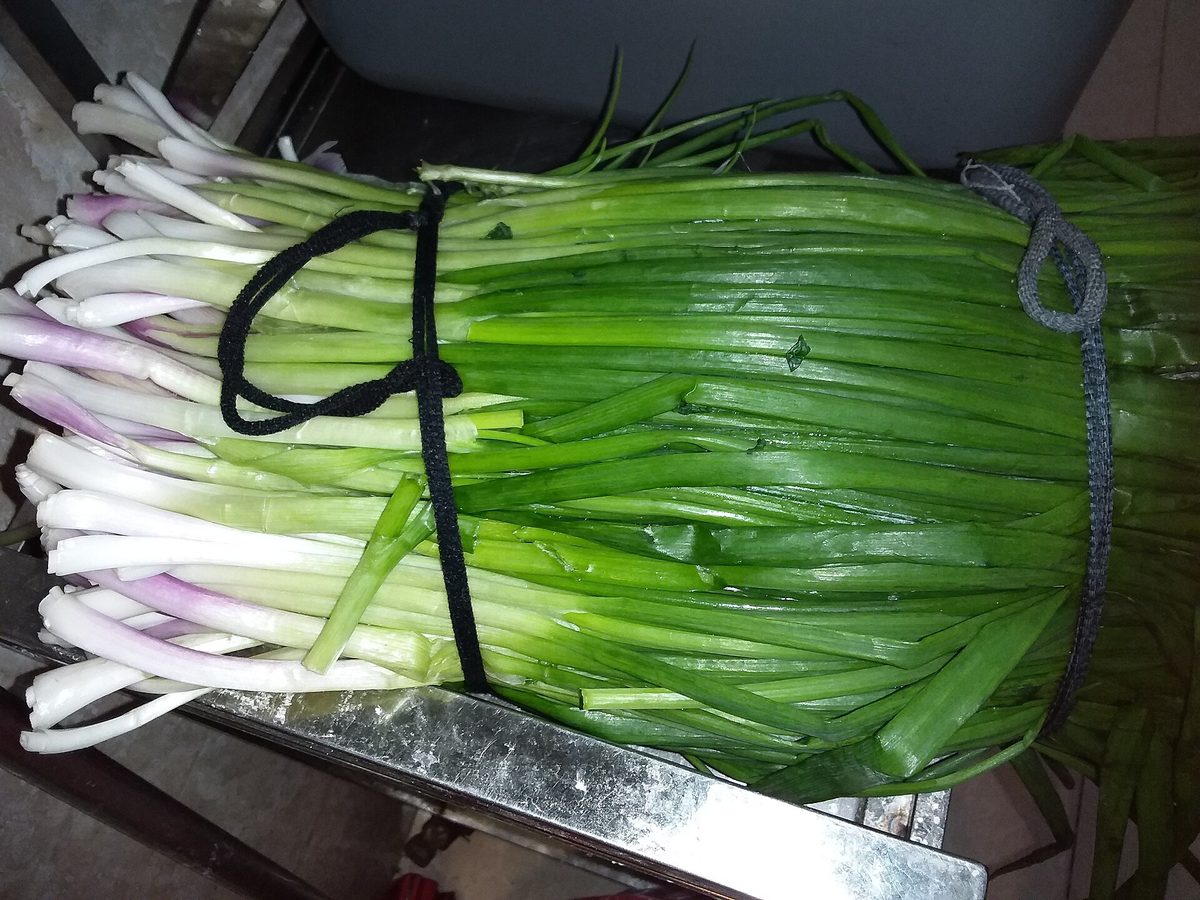
Photo: Moalouch Seimhciua 20, CC BY-SA 4.0 via Wikimedia Commons

Quick facts
| Light: | Full sun123 |
|---|---|
| Soil: | Well drained and moist; pH 6–8124 |
| Hardiness: | Zones 3a–9b21 source |
| Size: | 0.3–0.5 ft (0.1–0.15 m) × 1 ft (0.3 m)11 source |
| Growth rate: | Moderate11 source |
| Bloom: | Jul–Aug, White, brown and yellow46231 |
| Cats: | Not documented by major sources |
| Dogs: | Not documented by major sources |
| Native range: | ASS, CHN, NEP, WHM7 |
| Family: | Amaryllidaceae |
How much light does a Chinese Chives need?
Growing Chinese chives outdoors calls for a full sun spot, meaning direct sunlight for six hours or more across the day. That full sun rating is the only light level listed for this species, with no shade tolerance recorded in the facts checked for this page. Choose a planting site that stays open to the sky for most of the daylight hours, matching that full sun requirement outdoors.
Best soil for a Chinese Chives
Chinese chives grow best in soil that drains well but still holds some moisture, rather than soil that dries out completely or stays soggy for long stretches. The recommended soil pH range for this species runs from 6.0 to 8.0, covering slightly acidic through moderately alkaline conditions. Good drainage and a steady, moist feel are both part of the ideal soil described for this plant, not one or the other alone.
Hardiness and temperature
This species survives winter outdoors in USDA hardiness zones 3a through 9b, a broad range that spans cold northern gardens and warm southern ones alike. Zone 3a marks its coldest reliable limit outdoors, while zone 9b marks the warmest end of the hardiness range listed for it.
- Hardiness: Zones 3a–9b2
How to plant a Chinese Chives
Outdoor planting calls for a spot that gets full sun, the exposure recorded as this species' preference. This plant survives outdoors through winter across USDA hardiness zones 3a to 9b, a wide span that covers cold and mild climates alike. At maturity, it reaches only about 0.3-0.5 ft (0.1-0.15 m) tall. It spreads to roughly 1 ft (0.3 m) wide, so give each plant that much room when you set it out.
- Hardiness: Zones 3a–9b2
Winter care
Outdoors, Chinese chives survive winter cold reliably within USDA hardiness zones 3a through 9b, the hardiness range documented for this species. Zone 3a represents the coldest end of that range, while zone 9b represents the warmest end where the plant can still be left outdoors through winter. This species is described as a herbaceous perennial that is hardy across that same zone range outdoors.
- Hardiness: Zones 3a–9b2
How to propagate a Chinese Chives
Chinese chives can be propagated from seed or by division, and both methods are described as easy ways to start new plants outdoors. Seed is one option for starting this plant, and splitting an existing planting into divisions is the other, with neither ruled out as difficult. Either approach is listed as a workable way to grow this species from scratch outdoors.
- Propagation: Seed and division2
Common problems
Bulb rot is one problem recorded for this plant, and it develops when the soil around the bulb stays too wet for too long. Xanthomonas leaf blight is the other disease listed for this species in plant disease records. Bulb mites are the pest noted alongside those two diseases.
| Problem | Kind |
|---|---|
| Bulb mites | Pest |
| Bulb rot | Disease |
| Xanthomonas leaf blight | Disease |
Is Chinese Chives toxic to cats and dogs?
Recommended supplies
- Soil: a free-draining mix, and a pot with a drainage hole.
Questions and answers
- How much sun does Chinese chives need outdoors?
- Chinese chives need full sun outdoors, meaning direct light for six hours or more each day. No other light level is listed as suitable for this species.
- What soil does Chinese chives prefer?
- This plant does best in soil that drains well but still holds some moisture, within a pH range of about 6.0 to 8.0. That pH span covers soil from slightly acidic to moderately alkaline.
- What pests and diseases affect Chinese chives?
- Bulb rot and xanthomonas leaf blight are the two diseases recorded for this plant. Bulb mites are the pest listed alongside them. Bulb rot tends to appear when the soil stays too wet.
Sources
- NC State Extension Gardener Plant Toolbox. https://plants.ces.ncsu.edu/plants/allium-tuberosum/. Accessed 14 October 2026.
- University of Wisconsin-Madison Division of Extension (Wisconsin Horticulture). https://hort.extension.wisc.edu/articles/garlic-chives-allium-tuberosum/. Accessed 14 October 2026.
- Clemson Cooperative Extension Home & Garden Information Center. https://hgic.clemson.edu/factsheet/herbs/. Accessed 14 October 2026.
- University of Minnesota Extension. https://extension.umn.edu/garden-and-home/yard-and-garden/gardening-in-minnesota/growing-chives. Accessed 14 October 2026.
- EPPO Global Database. https://gd.eppo.int/taxon/ALLTU/pathwayspests. Accessed 14 October 2026.
- Chicago Botanic Garden. https://www.chicagobotanic.org/plant-information/plant-finder/allium-tuberosum-garlic-chives-nira. Accessed 21 October 2026.
- Royal Botanic Gardens, Kew (World Checklist of Vascular Plants). https://sftp.kew.org/pub/data-repositories/WCVP/wcvp.zip. Accessed 4 June 2026.
How this page was made
- Written with AI assistance from the sources listed on this page. AI is never the source of a fact.