Dracaena Types: 3 Varieties With Pictures
Dracaena is the genus covered on this page, and here is what this page can tell you right now. No species or cultivar in this genus has verified facts on file yet, so this page cannot list size, light, water, or toxicity details. A comparison of members and shared care notes will appear here once that information is checked against cited sources. For now, treat this page as a placeholder rather than a care guide.
Classification
Dracaena is a genus in the family Asparagaceae. WCVP accepts 224 species; 3 are covered here.
How to choose
Choosing between Dracaena species usually comes down to a handful of traits: mature size, leaf shape, light needs, and whether a plant is safe around pets. This page is built to list those traits side by side for each species and cultivar that passes this site's inclusion rules. Right now, none of that species-level data has cleared the verification step, so this section cannot compare specific plants yet.
Each trait on this site comes from a source checked against a tier list. A quote from that source must match the page before the fact is published. For Dracaena, that check has not yet produced a verified value for any member, so no species or cultivar name can be listed here. Stating a size, a light range, or a toxicity status without that check would risk a wrong number, not just a gap.
Once species sold under the Dracaena name are checked, this section will group them by how they differ, not by an average across the genus. A reader will then see which species stay small enough for a desk and which grow into floor-standing plants, each tied to its own source. The same approach will apply to light, water, and any toxicity listing from the ASPCA or Pet Poison Helpline.
Until then, the clearest step is to check the species or cultivar pages linked from this hub for their current status. If a linked page shows verified facts, you can compare those plants directly. If it does not yet, treat that gap as a reason to look elsewhere for size or care details before you buy.
3 types with pictures
-
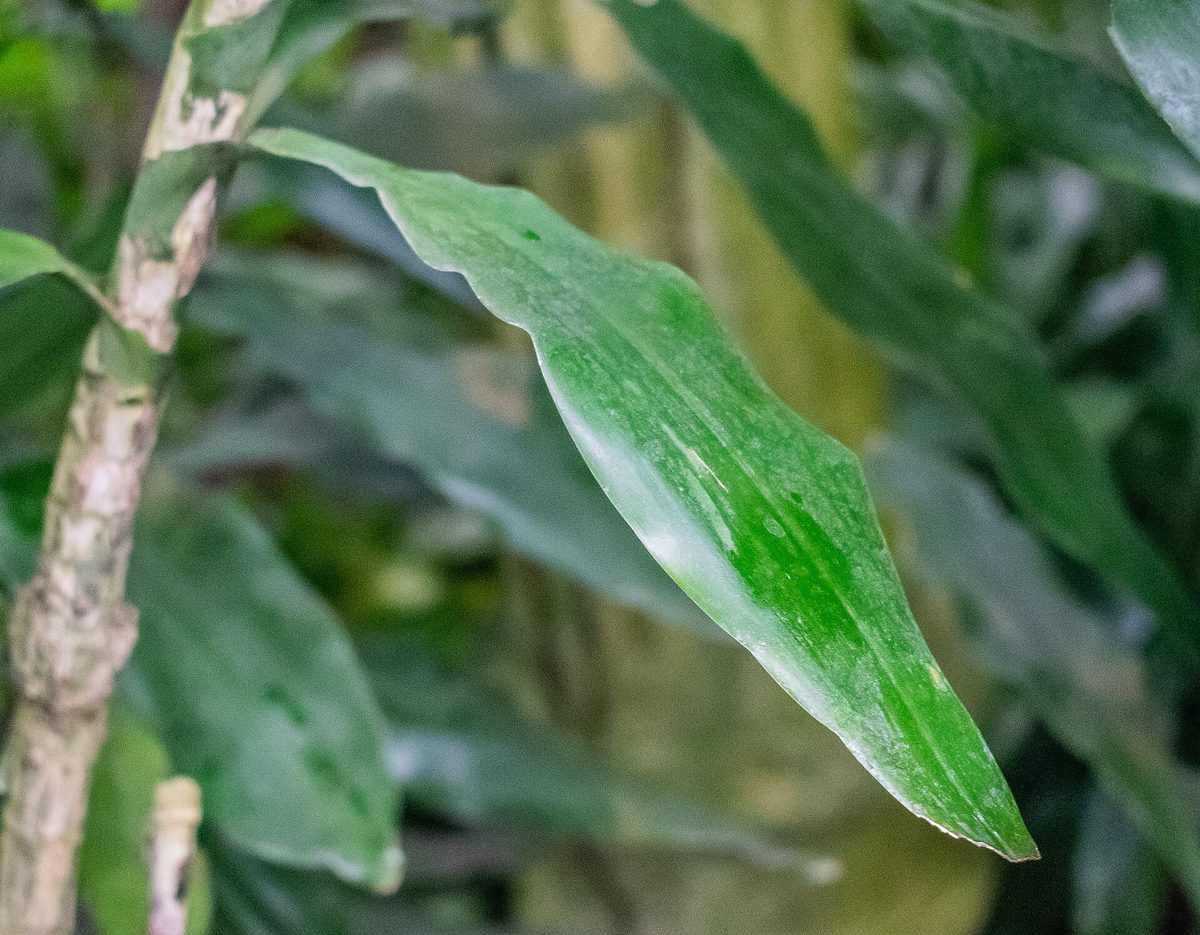
Fragrant Dracaena
Dracaena fragrans
Bright, indirect light; tolerates medium light and low light · Part shade and full shade (part shade preferred) · Zones 10a–11b
-
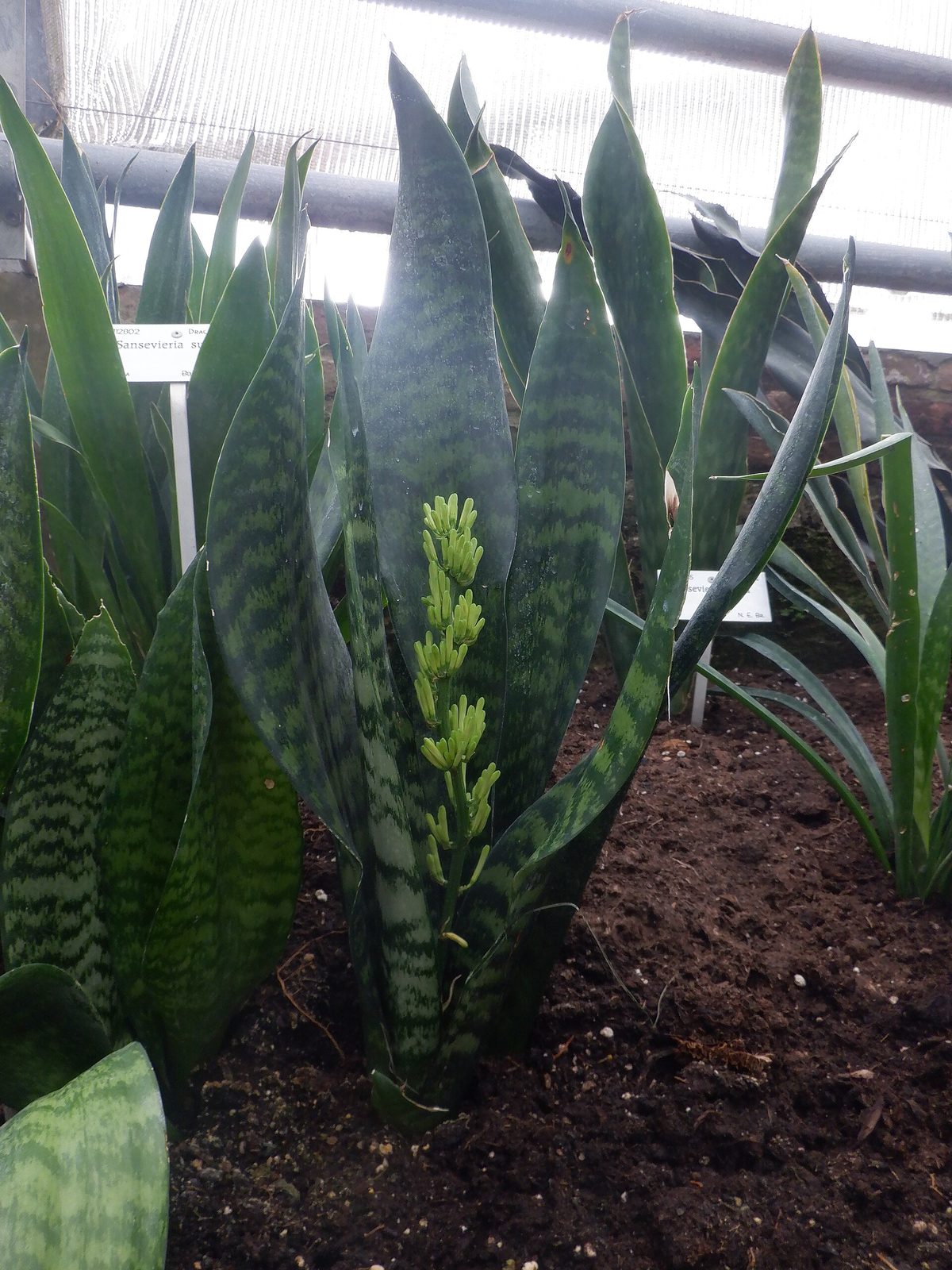
Dracaena masoniana
Dracaena masoniana
Bright, indirect light; tolerates low light · Part shade · Zones 9a–11b
-
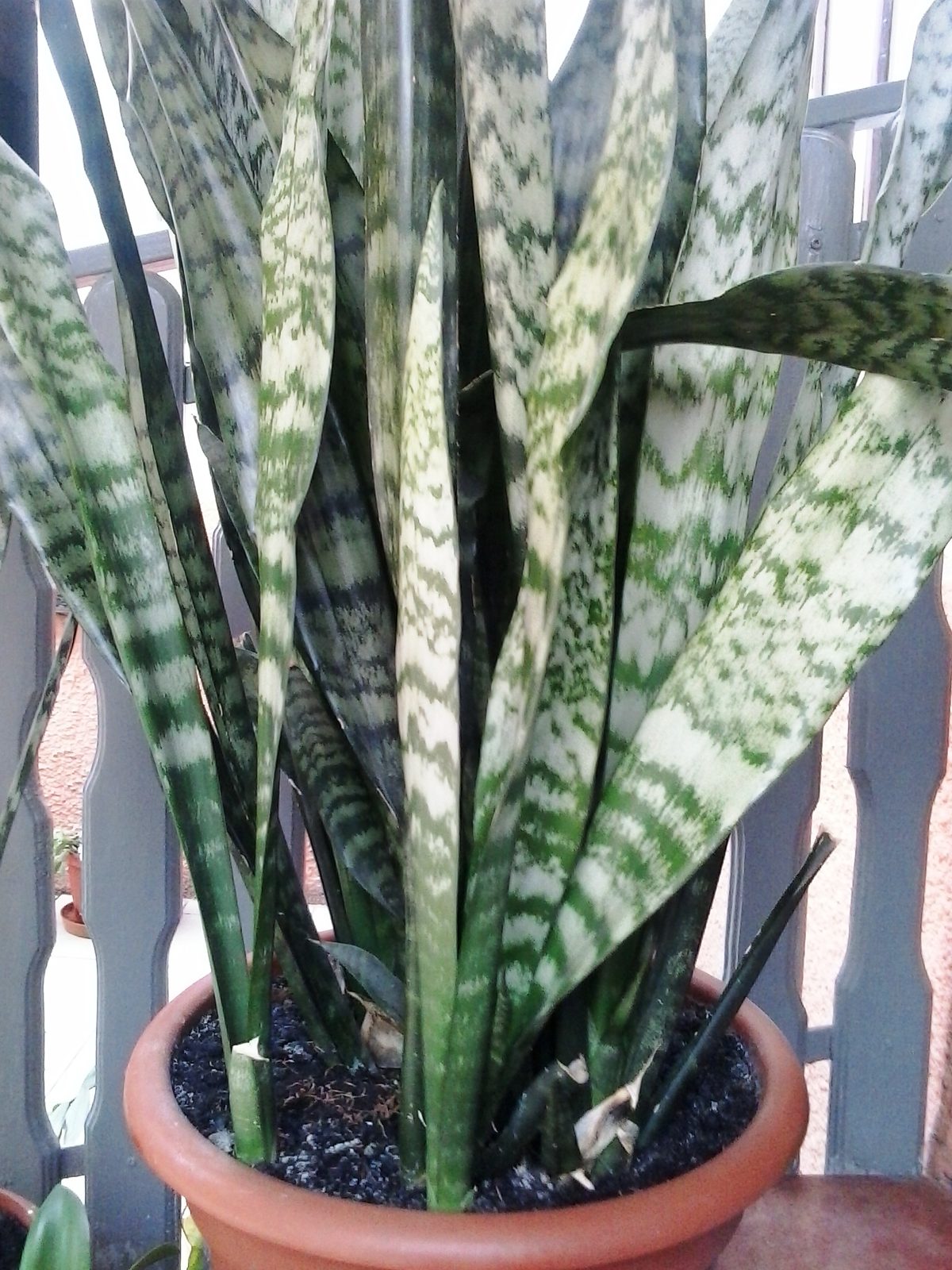
Snake Plant
Dracaena trifasciata
Bright, indirect light; tolerates low light · Part shade · Zones 10a–12b
Photo: Tournasol7, CC BY 4.0 via Wikimedia Commons

Photo: Hannes wilms, CC BY-SA 4.0 via Wikimedia Commons

Photo: Ujlak, CC BY-SA 3.0 via Wikimedia Commons

Compared side by side
| Type | Height | Hardiness | Light | Bloom colour | Cats | Dogs |
|---|---|---|---|---|---|---|
| fragrant dracaena | 3–14.5 ft (0.91–4.42 m) | Zones 10a–11b | Bright, indirect light; tolerates medium light and low light | Pink and white | Toxic (1 source) | Toxic (1 source) |
| Dracaena masoniana | 3–5 ft (0.91–1.52 m) | Zones 9a–11b | Bright, indirect light; tolerates low light | White | Toxic (1 source) | Toxic (1 source) |
| snake plant | Not documented | Zones 10a–12b | Bright, indirect light; tolerates low light | White and green | Toxic | Toxic |
Care in common
Care routines only belong in this section once at least a few members of the genus share the same verified value. For Dracaena, no species or cultivar currently has a checked fact on file for watering, light, humidity, soil, or fertilizer. That means this section cannot yet state a shared care routine for the genus.
A shared statement here would need to hold across the specific members listed on this hub, not across the genus in general. Say three species need bright, indirect light and a fourth needs deep shade. This section would name which three share the trait. It would not describe the whole genus that way. Averaging those values together, or picking one source over another without saying so, is not something this page does.
Toxicity works the same way and is never summarized at the genus level. Each species or cultivar page carries its own toxicity badge. That badge is drawn from a source such as the ASPCA or Pet Poison Helpline, when one is on file. Read the individual page for a plant you own or are considering. Do not assume the whole genus behaves the same way around cats and dogs.
Until verified care facts exist for Dracaena members, the most useful step is to open the species or cultivar pages linked from this hub directly. Each one lists its own checked facts, with a source behind every value shown. This section will update once enough members share a value that is safe to state across the group.
How this page was made
- Written with AI assistance from the sources listed on this page. AI is never the source of a fact.