Oneseed Hawthorn (Crataegus monogyna)
Formerly Crataegus oxyacantha, Mespilus monogyna, Crataegus maura
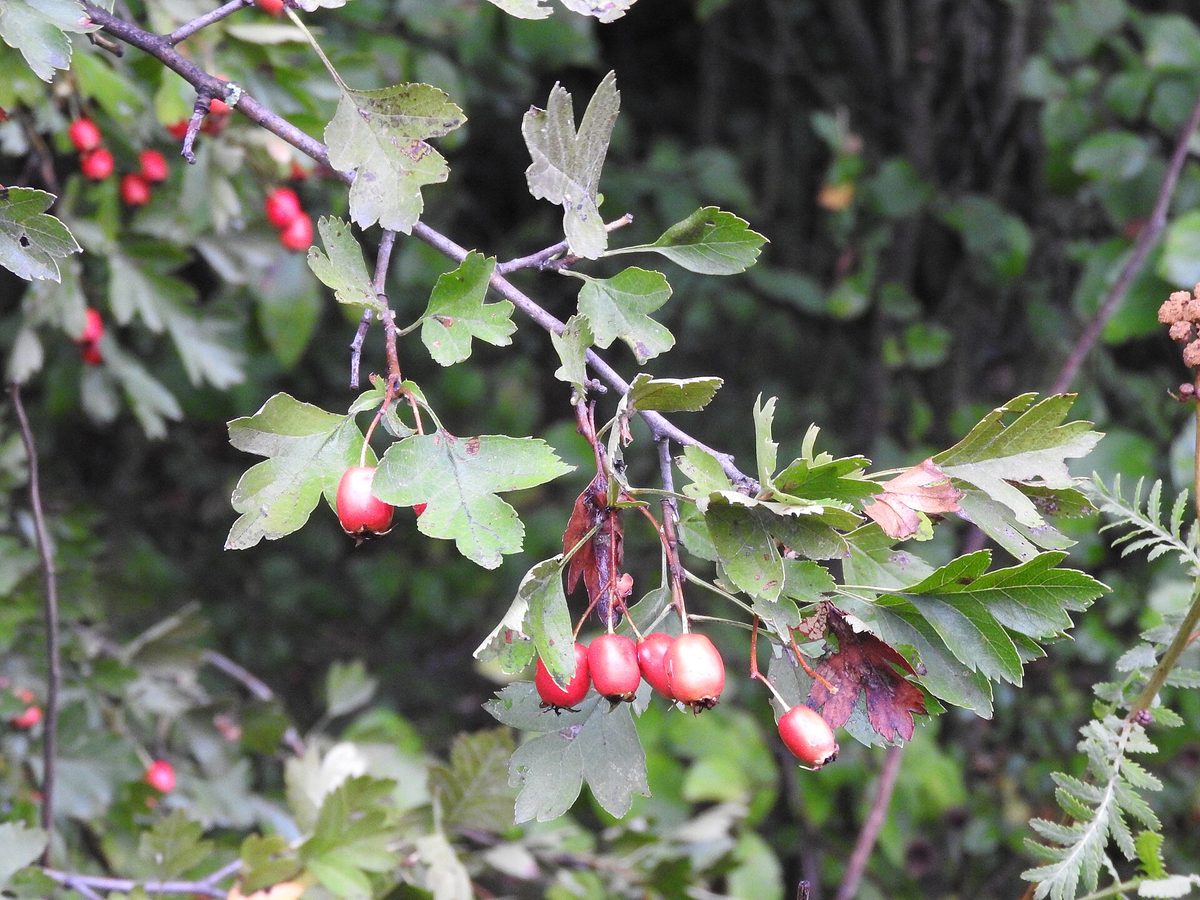
Photo: Łukasz Tkaczyk, CC BY-SA 4.0 via Wikimedia Commons

Quick facts
| Hardiness: | Zones 4a–7b11 source |
|---|---|
| Cats: | Not documented by major sources |
| Dogs: | Not documented by major sources |
| Native range: | ALB, ALG, AUT, BAL, BGM, BLR, BLT, BUL, COR, CYP, CZE, DEN, EAI, FIN, FRA, GER, GRB, GRC, HUN, IRE, IRQ, ITA, KRI, KRY, LBS, LBY, MOR, NCS, NET, NOR, PAL, POL, POR, ROM, RUC, RUE, SAR, SIC, SIN, SPA, SWE, SWI, TCS, TUE, TUN, TUR, UKR, YUG4 |
| Family: | Rosaceae |
Hardiness and temperature
Oneseed hawthorn is documented for hardiness zones 4a–7b. Zone 4a marks the cold end of that range and zone 7b marks the warm end. Gardeners in zones colder than 4a or warmer than 7b fall outside the documented range. No cited source records a minimum temperature for this tree. Humidity needs are not documented on this page either.
- Hardiness: Zones 4a–7b1
How to plant a Oneseed Hawthorn
Oneseed hawthorn, Crataegus monogyna, is recorded as a tree. Its documented hardiness range is zones 4a–7b, so that band is the place to start when you consider a planting site. In the United States, the native status register lists it as introduced in both Alaska and the lower 48 states. The native range record lists region codes such as FRA, GER, GRB and SPA. Spacing, planting depth and planting time are not documented for this page.
- Hardiness: Zones 4a–7b1
Winter care
Winter care for oneseed hawthorn depends on where your zone falls in its documented range of 4a–7b. Zone 4a is the coldest zone in that range, so gardeners there are at the cold limit of the documented hardiness. No cited source records a minimum temperature for this tree. Mulching, wrapping and other winter protection steps are not documented for this page.
- Hardiness: Zones 4a–7b1
Common problems
Several insects are recorded on this tree, including aphids, bark beetles, cottony cushion scale, flatheaded borers, leafhoppers, leafrollers, longhorned beetles, sawflies, spider mites, treehoppers and woolly aphids. Foliage feeding caterpillars and other scales are also listed. The recorded diseases are entomosporium leaf spot, fire blight, powdery mildew, rusts and scab. Fire blight symptoms have been observed on this species.
- Common pests: aphids, bark beetles, cottony cushion scale, flatheaded borers, foliage feeding caterpillars, leafhoppers, leafrollers, longhorned beetles, sawflies, scales, spider mites, treehoppers and woolly aphids2
- Common diseases: entomosporium leaf spot, fire blight, powdery mildew, rusts and scab3
| Problem | Kind |
|---|---|
| Aphids | Pest |
| Bark beetles | Pest |
| Cottony cushion scale | Pest |
| Flatheaded borers | Pest |
| Foliage feeding caterpillars | Pest |
| Leafhoppers | Pest |
| Leafrollers | Pest |
| Longhorned beetles | Pest |
| Sawflies | Pest |
| Scales | Pest |
| Spider mites | Pest |
| Treehoppers | Pest |
| Woolly aphids | Pest |
| Entomosporium leaf spot | Disease |
| Fire blight | Disease |
| Powdery mildew | Disease |
| Rusts | Disease |
| Scab | Disease |
Is Oneseed Hawthorn toxic to cats and dogs?
Questions and answers
- Which hardiness zones suit oneseed hawthorn?
- The documented hardiness range is zones 4a–7b. That range covers the cold end at zone 4a and the warm end at zone 7b.
- Is oneseed hawthorn native to the United States?
- The native status register lists it as introduced in both Alaska and the lower 48 states. Its native range record instead lists region codes such as FRA, GER, GRB and SPA.
- What diseases affect oneseed hawthorn?
- The recorded diseases are entomosporium leaf spot, fire blight, powdery mildew, rusts and scab. Fire blight symptoms have been observed on this species.
Sources
- Chicago Botanic Garden. https://www.chicagobotanic.org/plant-collections/plant-finder/crataegus-monogyna-robin-hill-robin-hill-hawthorn. Accessed 27 October 2026.
- EPPO Global Database. https://gd.eppo.int/taxon/CSCMO/pests. Accessed 14 October 2026.
- EPPO Global Database. https://gd.eppo.int/reporting/article-3425. Accessed 30 October 2026.
- Royal Botanic Gardens, Kew (World Checklist of Vascular Plants). https://sftp.kew.org/pub/data-repositories/WCVP/wcvp.zip. Accessed 4 June 2026.
How this page was made
- Written with AI assistance from the sources listed on this page. AI is never the source of a fact.