Raintree (Samanea saman)
Formerly Pithecellobium saman, Inga saman, Zygia saman
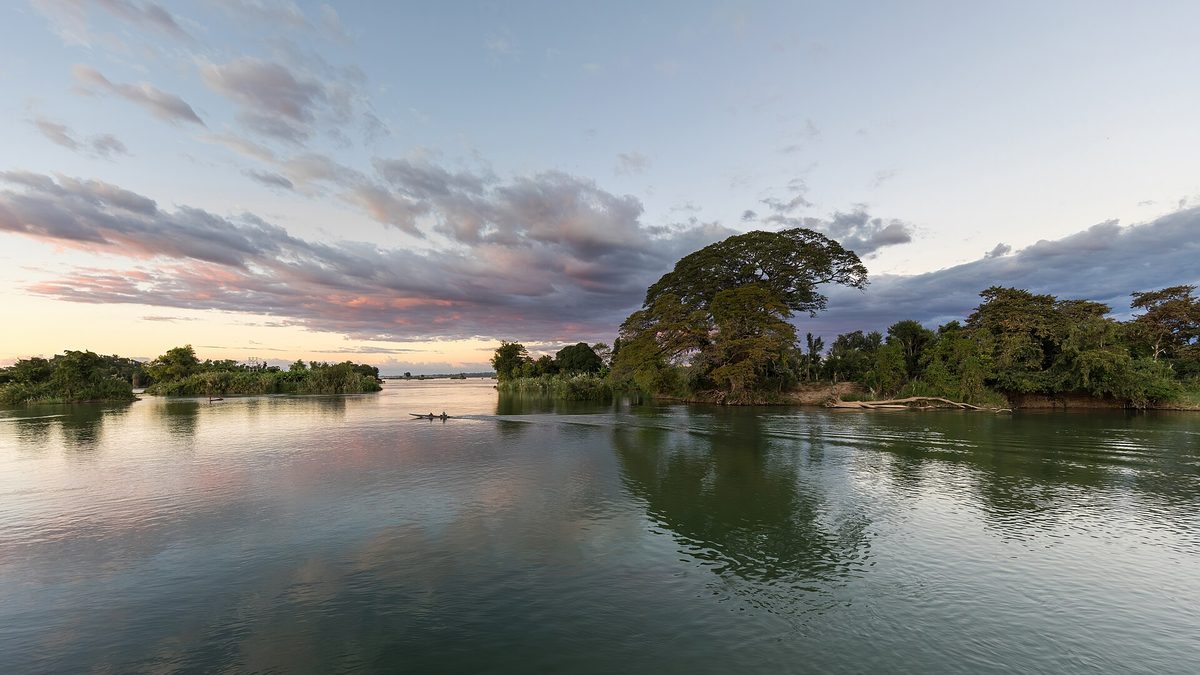
Photo: Basile Morin, CC BY-SA 4.0 via Wikimedia Commons

Quick facts
Common problems
Raintree, Samanea saman, has three recorded pests: brown citrus aphid, pink hibiscus mealybug and root knot nematode. The EPPO Global Database gives the scientific name of the brown citrus aphid as Aphis citricidus. The list on this page names these three pests and no others.
- Common pests: brown citrus aphid, pink hibiscus mealybug and root knot nematode1
| Problem | Kind |
|---|---|
| Brown citrus aphid | Pest |
| Pink hibiscus mealybug | Pest |
| Root knot nematode | Pest |
Is Raintree toxic to cats and dogs?
Not documented by major sources
Not documented by major sources
Questions and answers
- Where is the raintree native?
- The native range of Samanea saman is recorded as the region codes BLZ, CLM, COS, ECU, ELS, HON, NIC, PAN and VEN. In the United States, it is listed as introduced in US-HI, US-L48 and US-PR.
- How much sun does a raintree need outdoors?
- Raintree is listed for full sun outdoors. The light fact on this page records full sun as both its only value and its preferred one. The plant is recorded as a tree.
- Which pests are recorded for raintree?
- The brown citrus aphid, pink hibiscus mealybug and root knot nematode are recorded for this tree. The EPPO Global Database names the aphid as Aphis citricidus. No other pests are recorded on this page.
Sources
- EPPO Global Database. https://gd.eppo.int/taxon/PIFSA/pests. Accessed 21 October 2026.
- University of Florida IFAS Extension (EDIS). https://ask.ifas.ufl.edu/publication/EP107. Accessed 11 October 2026.
- Royal Botanic Gardens, Kew (World Checklist of Vascular Plants). https://sftp.kew.org/pub/data-repositories/WCVP/wcvp.zip. Accessed 4 June 2026.
How this page was made
- Written with AI assistance from the sources listed on this page. AI is never the source of a fact.